A well-designed interior is about much more than selecting attractive furniture and choosing a pleasing color palette. The most successful spaces feel comfortable, functional, and visually harmonious because they are built upon fundamental interior design principles. Whether you are decorating a small apartment, renovating a family home, or designing a luxury residence, understanding these principles can help you create balanced spaces that are both beautiful and practical.
Balanced interiors feel effortless, but achieving that effect requires careful planning and thoughtful decision-making. Designers use a combination of proportion, scale, balance, rhythm, harmony, emphasis, and functionality to create rooms that look cohesive and support everyday living. By learning these principles, homeowners can make better design choices and create spaces that stand the test of time.
What Is Balance in Interior Design?
Balance refers to the visual distribution of elements within a room. It ensures that no single area feels too heavy, crowded, or overwhelming compared to the rest of the space. Proper balance creates a sense of stability and comfort, helping a room feel organized and inviting.
There are three primary types of balance used in interior design:
Symmetrical Balance
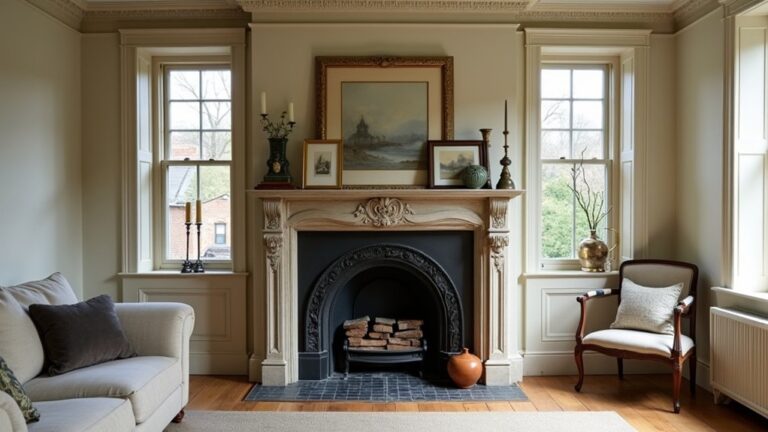
Symmetrical balance is achieved when both sides of a room mirror each other. This approach is commonly used in traditional and formal interiors.
Examples include:
- Matching sofas facing one another
- Identical bedside tables and lamps
- Twin armchairs positioned around a fireplace
Symmetry creates a sense of order, elegance, and predictability. It is particularly effective in living rooms, dining rooms, and master bedrooms.
Asymmetrical Balance
Asymmetrical balance creates visual equilibrium using different objects that have similar visual weight.
For example:
- A large sofa balanced by two smaller chairs
- A statement artwork balanced by a collection of decorative accessories
- Different furniture pieces arranged to achieve equal visual impact
Asymmetrical designs often feel more relaxed, dynamic, and contemporary while maintaining harmony.
Radial Balance
Radial balance occurs when elements are arranged around a central focal point.
Examples include:
- Seating arranged around a coffee table
- Furniture positioned around a fireplace
- Dining chairs surrounding a circular dining table
This type of balance encourages conversation and creates a strong sense of unity within the room.
Understanding Scale and Proportion
One of the most common design mistakes homeowners make is selecting furniture that is either too large or too small for a room. Scale and proportion help ensure that all elements work together harmoniously.
Scale
Scale refers to how large or small an object appears in relation to the room itself.
For example:
- Large sectionals work well in spacious living rooms.
- Compact furniture is better suited for smaller apartments.
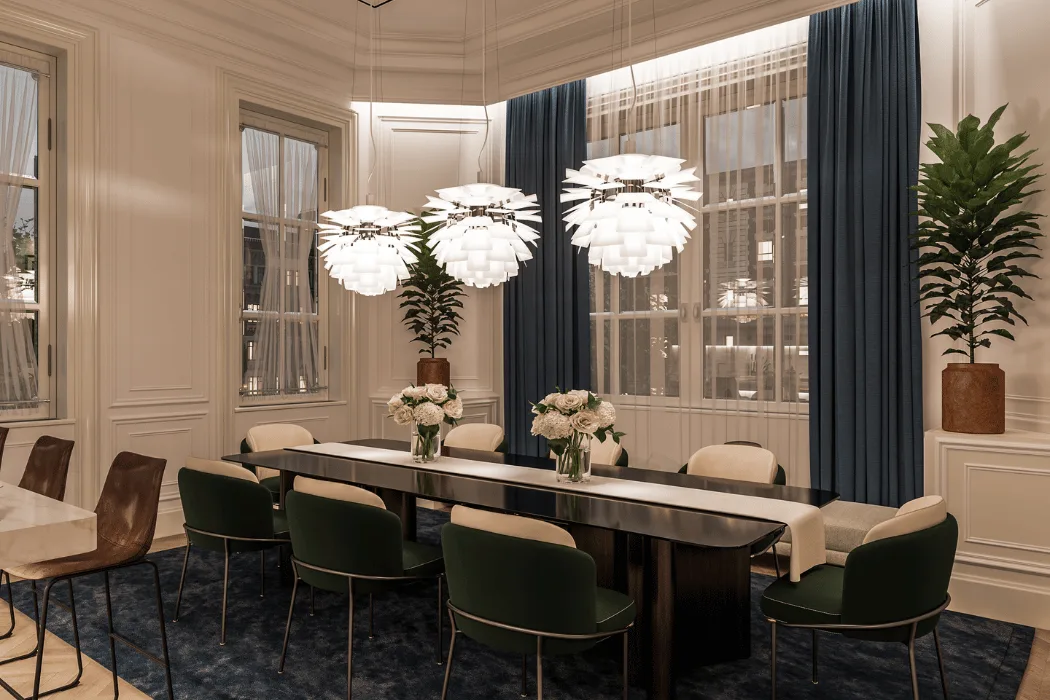
- Oversized lighting fixtures can make a statement in rooms with high ceilings.
When furniture is appropriately scaled, the room feels balanced and comfortable.
Proportion
Proportion refers to the relationship between objects within a space.
Examples include:
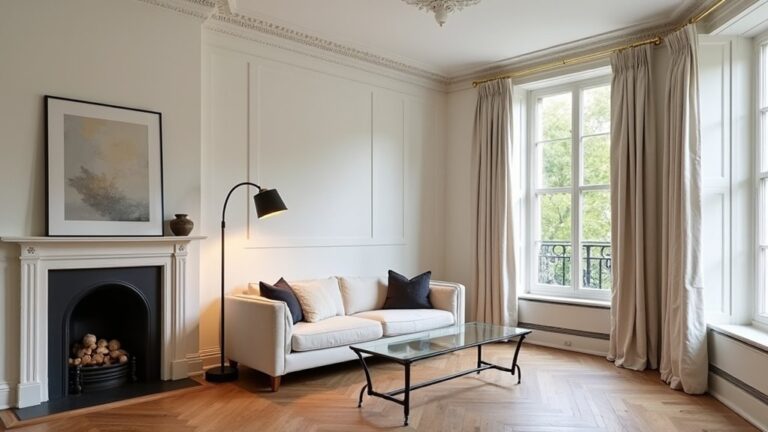
- Coffee tables should generally be about two-thirds the length of the sofa.
- Artwork should be proportional to the wall it occupies.
- Area rugs should fit comfortably beneath key furniture pieces.
Maintaining proper proportions helps create visual consistency and prevents any one element from dominating the room.
Creating Harmony and Unity
Harmony occurs when all elements of a room work together to create a cohesive design. Unity ensures that every component contributes to the overall style and atmosphere.
Achieving harmony involves carefully coordinating:
- Colors
- Materials
- Textures
- Furniture styles
- Decorative accessories
For example, a modern interior may combine clean lines, neutral colors, and minimalist furnishings. A traditional interior may incorporate rich wood tones, classic furniture profiles, and layered textiles.
Harmony does not require everything to match perfectly. Instead, it means that each element feels intentionally connected to the overall design concept.
The Importance of Rhythm
Rhythm creates movement and guides the eye throughout a room. Just as rhythm in music creates flow and structure, visual rhythm helps create continuity in interior design.
Designers create rhythm through repetition, progression, and contrast.
Repetition
Repeating colors, patterns, materials, or shapes throughout a room helps create consistency.
Examples include:
- Repeating accent colors in cushions and artwork
- Using similar metal finishes throughout a space
- Incorporating recurring geometric patterns
Progression
Progression involves gradually changing an element.
Examples include:
- Grouping candles of varying heights
- Displaying artwork in increasing sizes
- Layering decorative accessories
Contrast
Contrast creates visual interest by combining opposing elements.
Examples include:
- Dark furniture against light walls
- Smooth surfaces paired with textured fabrics
- Modern furniture in a traditional setting
When used thoughtfully, rhythm keeps interiors engaging without feeling chaotic.
Establishing a Focal Point
Every well-designed room should have a focal point that immediately captures attention. A focal point provides visual structure and helps organize the design.
Common focal points include:
- Fireplaces
- Large windows
- Statement artwork
- Feature walls
- Architectural details
- Decorative lighting fixtures
Once a focal point has been established, furniture and accessories should be arranged to support and enhance it.
Without a focal point, a room can feel scattered and lack direction.
Color Balance and Coordination
Color is one of the most influential aspects of interior design. It affects mood, perception of space, and overall visual harmony.
Understanding Color Relationships
Successful color schemes often combine:
- Primary colors
- Secondary colors
- Neutral tones
- Accent colors
A common design guideline is the 60-30-10 rule:
- 60% dominant color
- 30% secondary color
- 10% accent color
This approach helps create balance while maintaining visual interest.
Psychological Effects of Color
Different colors evoke different emotions:
- Blue promotes calmness and relaxation.
- Green creates a connection with nature.
- Yellow adds energy and warmth.
- Gray offers sophistication and versatility.
- White creates openness and simplicity.
Choosing colors carefully can significantly impact how a space feels and functions.
The Role of Texture
Texture adds depth and dimension to a room. Without texture, even beautifully designed spaces can feel flat and uninspiring.
Textures can be:
Visual Texture
Patterns and materials that appear textured visually.
Examples include:
- Wallpaper
- Wood grain
- Stone surfaces
Physical Texture
Materials that can be physically felt.
Examples include:
- Velvet upholstery
- Linen curtains
- Wool rugs
- Natural wood furniture
Combining multiple textures creates richness and helps balance different design elements.
Functionality and Practical Design
A beautiful room should also be practical. Functionality remains one of the most important principles of interior design.
Before selecting furniture or décor, consider:
- How the room will be used
- Traffic flow patterns
- Storage requirements
- Lighting needs
- Seating capacity
A balanced space supports everyday activities while maintaining visual appeal.
For example:
- Family rooms benefit from durable materials and flexible seating.
- Home offices require ergonomic furniture and adequate lighting.
- Kitchens should prioritize efficiency and accessibility.
Design decisions should always align with the intended purpose of the space.
Lighting as a Design Element
Lighting affects both functionality and atmosphere. A well-balanced room incorporates multiple layers of lighting.
Ambient Lighting
Provides general illumination throughout the room.
Task Lighting
Supports specific activities such as reading, cooking, or working.
Accent Lighting
Highlights artwork, architectural features, or decorative elements.
Combining these layers creates depth, flexibility, and visual interest.
Natural light should also be maximized whenever possible to enhance comfort and openness.
Avoiding Common Design Mistakes
Many homeowners unintentionally create imbalance by:
- Using furniture that is too large or too small
- Overcrowding spaces
- Ignoring lighting requirements
- Choosing too many competing colors
- Neglecting functionality
- Failing to establish a focal point
By applying fundamental design principles, these mistakes can be avoided, resulting in more cohesive and enjoyable interiors.
Conclusion
Creating balanced spaces requires more than good taste—it requires an understanding of the core principles that guide successful interior design. Balance, proportion, harmony, rhythm, focal points, color coordination, texture, lighting, and functionality all contribute to a space that feels comfortable, visually appealing, and purposeful.
Whether you’re refreshing a single room or redesigning an entire home, applying these essential interior design principles will help you create interiors that not only look beautiful but also enhance the way you live every day. A thoughtfully balanced space offers timeless appeal, improved functionality, and a welcoming atmosphere that can be enjoyed for years to come.
About the Author