

Most UK sellers don’t lose money on the final offer; you lose it in the weeks before you list. If you price off fresh local sold comparables, tackle safety and finance-blocking repairs, and launch with sharp photos and strong Rightmove/Zoopla copy, you attract serious buyers faster. Then you control viewings, chase feedback, and negotiate on net proceeds, not headlines—but there’s one misstep that can undo all of that…
Key Takeaways
- Price from recent nearby sold comparables, adjusted for size and condition, to spark early competition and avoid stagnation.
- Fix safety issues and water ingress before listing; keep two quotes and receipts to prevent survey problems and renegotiations.
- Market professionally with quality photos, a floorplan, accurate tenure and tax details, and a virtual tour to attract serious buyers.
- Manage viewings in confirmed time blocks; stage for light and space, and follow up within 24 hours to maintain momentum.
- Negotiate on net proceeds with clear contingency deadlines, using concessions only to improve timeline, deposit strength, or overall certainty.
Overpricing: Set a Comps-Based List Price

Although it can be tempting to “test the market” with an ambitious asking price, overpricing usually costs you time and leverage in the UK—buyers compare your home against recent local sold prices and quickly spot listings that sit above the evidence.
Anchor your Pricing strategy to sold comparables from the last 3–6 months within half a mile, matched for size, condition, and tenure (freehold/leasehold). Adjust for real differences—loft conversion, parking, garden—using £/sq ft and recent buyer demand, not wishful headlines.
Get your agent to show a comps sheet, not just “likes on Rightmove”. With Market timing, launch at the strongest evidence-backed price to create competition in week one, so you fit in with serious buyers and chain-ready offers.
Skipping Repairs: Fix the Deal-Breakers First
If you skip obvious repairs, buyers and surveyors will price the risk straight into their offer—or use it to renegotiate after the HomeBuyer Report. In the UK, small defects can trigger big “retention” requests, especially around electrics, damp, roofing, and glazing.
Treat your pre-sale Home inspection like a triage: fix safety and water ingress first, then anything that stops a mortgage valuer signing off.
Get two quotes per job and keep receipts, so you can evidence work to cautious buyers and feel you’re playing the game like everyone else.
Use Renovation budgeting: ring-fence 1–2% of your asking price for deal-breakers, not cosmetic upgrades. A £300 repair that removes doubt can protect thousands in price chips.
Weak Listing Marketing: Photos, MLS, and Copy That Convert
Because most UK buyers make a yes/no decision in seconds on Rightmove or Zoopla, weak listing marketing costs you viewings long before anyone reads the EPC or asks about the boiler.
You need professional, wide-angle photos that show light, layout, and garden depth; dark phone snaps can cut enquiries fast.
Treat your MLS listing like an advert: lead with the top three value points (school catchment, transport links, parking), then back them with specifics and measurements.
Include a crisp floorplan, accurate tenure and council tax band, and complete your key features so portals rank you properly.
Add Virtual tours to keep serious buyers engaged and reduce drop-off.
Push the listing via Social media with postcode targeting and consistent branding, so you look like a home worth joining.
Chaotic Showings: Staging, Access, and Buyer Follow-Up
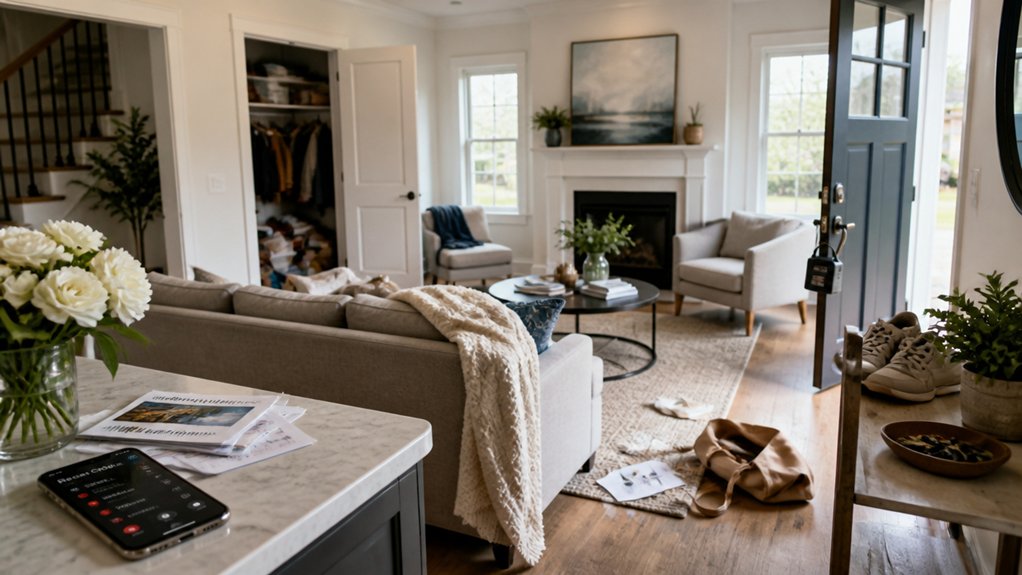
When you let viewings run ad hoc, you lose buyers on logistics and first impressions rather than price. Put structure around access: agree viewing blocks, confirm IDs, and use a smart lockbox or agent-held keys so you’re not cancelling last minute.
Stage for speed—clear worktops, brighten rooms, and set heating to a comfortable 19–21°C, which UK buyers notice on arrival.
Create Virtual tours so serious buyers pre-qualify, cutting no-shows and repeat viewings.
Use open house strategies selectively: one well-advertised weekend slot can concentrate demand and reduce disruption, especially in busy London commuter belts.
After every viewing, follow up within 24 hours, ask for specific feedback, and share a short “what’s next” update so viewers feel included and informed.
Costly Negotiations: Concessions, Contingencies, and Net Proceeds
How much are you really giving away at the negotiating table? In the UK, a small concession can erase weeks of progress: 1% off a £350,000 sale is £3,500, before fees. Keep your eye on net proceeds, not the headline offer or the Title on the portal.
Ask your agent to model scenarios: price reduction, repair credits, and completion dates, with stamp-duty thresholds and removals in mind.
Control contingencies tightly. Set clear deadlines for surveys, mortgage offers, and chain updates, and don’t accept open-ended “subject to” clauses.
Use your Pricing strategy to trade, not gift: agree to a modest reduction only if the buyer shortens timeframes or increases deposit. You’ll feel part of a smart, prepared sellers’ crowd.
Conclusion
You’ll sell smarter when you price from local comps, not pride, so you pull in serious UK buyers fast. You’ll prevent pointless price cuts by fixing key deal‑breakers first and keeping paperwork. You’ll win more clicks with sharp shots, solid MLS copy, and targeted social ads. You’ll streamline staging and showings, then swiftly follow up. Finally, you’ll negotiate with numbers: net proceeds, timelines, and tightly defined contingencies, using modest, measured concessions to close.
About the Author