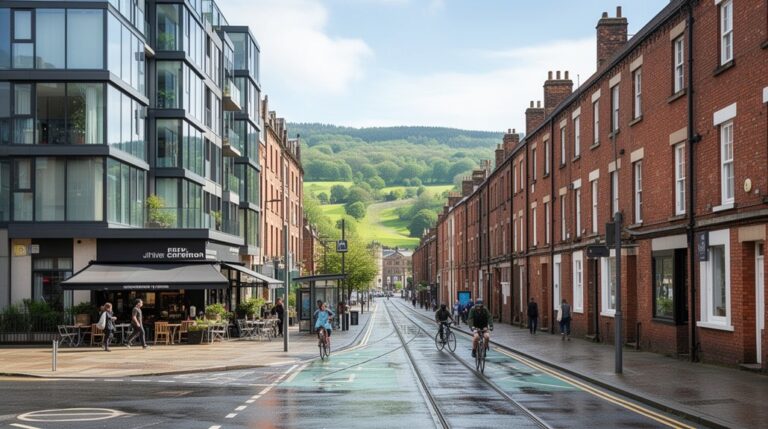

Guildford can look like a neatly clipped hedge—ordered, green, and reassuring from the street. You get strong schools, walkable pockets, parks, and a quick rail line into London, which makes weekday logistics workable. You also pay for it in house prices, peak-hour traffic, and postcode differences that matter more than headlines suggest. Before you commit, you’ll want to see where the value actually sits—and where it quietly slips.
Key Takeaways
- Guildford balances commuter convenience with daily amenities, helped by reliable rail links and walkable neighborhoods that ease school-run routines.
- Strong community life comes from clubs, PTAs, and local events that help families integrate and build lasting social networks.
- Family lifestyle is boosted by parks, riverside paths, and extracurricular options like sport, music, coding, and Duke of Edinburgh.
- Education choices are broad, but families should assess class sizes, SEN support, staff turnover, behaviour trends, and catchment competition beyond Ofsted.
- The main trade-offs are higher housing costs, peak-time traffic congestion, and paying premiums for proximity to top schools, stations, and town-centre amenities.
Is Guildford a Good Place to Raise Kids?

If you’re weighing up where to bring up a family, Guildford makes a strong case because it pairs commuter convenience with day‑to‑day practicality. You can shorten school-run stress with walkable neighbourhoods and reliable rail links into London, so work and childcare feel manageable.
You’ll find a settled, neighbourly rhythm that helps you belong quickly. Community events in the town centre and local halls make it easy to meet other parents, while parks and riverside paths support everyday outdoor activities without planning a big day out.
You can book weekend clubs, libraries, and leisure sessions close to home, keeping routines consistent. With shops, GPs, and family cafés clustered around the high street, you spend less time travelling and more time together.
What Trade-Offs Do Families Hit in Guildford?
While Guildford ticks plenty of family-friendly boxes, you’ll trade that convenience for higher housing costs, tighter competition for top school catchments, and busier roads at peak times.
If you’re upsizing, you may compromise on garden space or accept a longer commute from nearby villages to stay within budget. Parking can feel tight around the centre, and weekend traffic to the A3 adds friction to routine errands.
You’ll also pay a premium for walkable Local amenities, so weigh whether you’ll truly use cafés, gyms, parks, and the river path weekly.
To feel rooted, you’ll likely commit time to community events, clubs, and volunteer-led groups—rewarding, but another diary demand.
How Do Guildford Schools Really Compare (Beyond Ofsted)?
Where do Guildford schools stand once you look past the Ofsted headline—especially if you’re buying into a catchment? You’ll want to test the day‑to‑day fit: class sizes, staff turnover, SEN support pathways, and how well leadership communicates with parents. Ask for behaviour data, attendance trends, and how exclusions are handled; these often reveal more than a rating.
To gauge belonging, check how active the PTA is, whether newcomers get welcomed, and how smoothly kids move from primary to secondary. Compare School extracurriculars by breadth and access—music, sport, coding, Duke of Edinburgh—and whether places are inclusive or pay‑to‑play.
Finally, weigh community safety around gates at drop‑off: crossing patrols, traffic calming, and after‑school supervision.
Which Guildford Areas Suit Families (By Budget)?
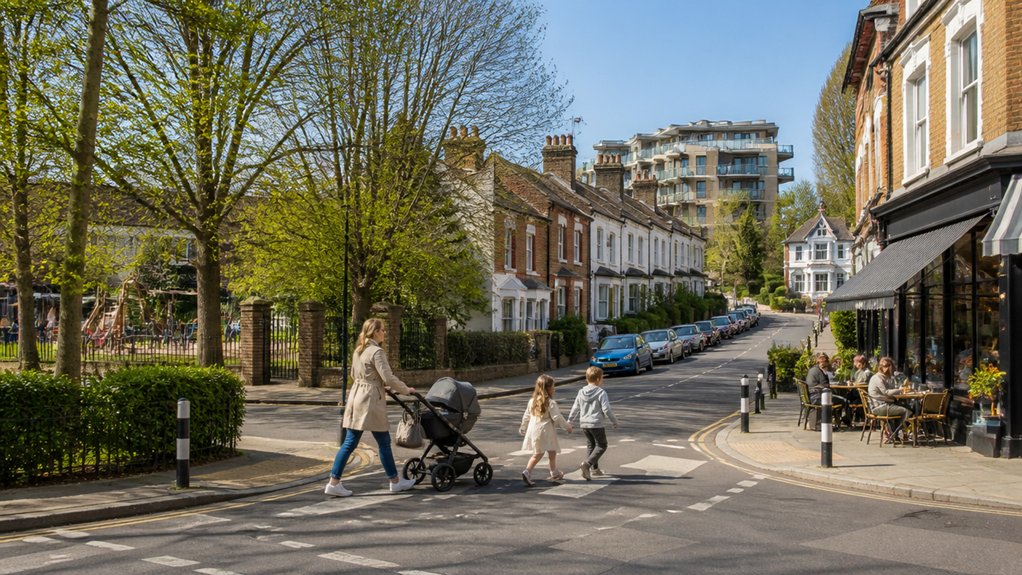
Once you’ve sized up the schools, you’ll want to match your budget to the right part of Guildford.
You can target affordable family neighbourhoods that keep commuting and childcare costs manageable, mid-range family areas that balance space with access to parks and the town centre, or premium family enclaves where larger homes and quieter streets command higher prices.
Next, you’ll compare these brackets by typical house types, transport links, and day-to-day amenities so you can shortlist confidently.
Affordable Family Neighbourhoods
If you’re weighing up schools, commute times, and day‑to‑day costs, Guildford’s neighbourhood mix lets you match family life to a realistic budget. For value-led options, look at Bellfields and Westborough, where you’ll typically get more space for your money and still stay close to key bus routes and everyday essentials.
You can plan weekends around local parks and feel part of the area through Community events that bring neighbours together.
If you’d rather stay nearer the centre without paying premium streets, target smaller terraces and purpose-built flats on the town’s edges, then prioritise walkability to supermarkets, GP surgeries, and primary schools.
Keep an eye on parking permits and service charges, and you’ll protect monthly cashflow while settling into a supportive, lived-in community.
Mid-Range Family Areas
Two mid‑range pockets stand out when you want family space without jumping to the town’s top price brackets: Burpham and Merrow.
In Burpham, you’ll often find modern estates and practical three‑bed homes with gardens, plus quick access to A3 links and riverside walks. You can run school drop‑offs, pick up groceries, and still reach town without hassle thanks to nearby local amenities.
Merrow suits you if you want a quieter village feel while staying close to the centre. You’ll get greener streets, reliable bus routes, and easy access to health services and everyday shops.
Both areas help you settle in fast: parks host Community events, neighbours recognise you, and kids build friendships through clubs and weekend activities.
Premium Family Enclaves
Step up in budget and you’ll open Guildford’s premium family enclaves—areas where larger plots, stronger school catchments, and a calmer street feel justify the higher price tag.
Look first at Stoughton and Merrow for detached homes, leafy cul-de-sacs, and quick access to the Downs, plus dependable primary options.
For a more central, status-led address, Charlotteville and parts of Onslow Place you near town, top independents, and commuting links, while keeping a neighbourly rhythm.
If you want countryside edges without losing convenience, consider Burpham’s higher-end pockets for modern family layouts and easy A3 routes.
You’ll pay more for low-traffic streets, privacy, and luxury amenities, but you’ll also buy into exclusive communities where family routines feel settled.
What Do Guildford House Prices Buy in 2026?
In 2026, you’ll see Guildford prices cluster into clear bands, and each band maps to a predictable home type—from modern flats and starter terraces to larger semis and detached family houses.
You can benchmark what your budget buys by looking at typical bedroom counts, garden/parking expectations, and commute-friendly locations within each range.
You’ll also want to compare value against nearby towns like Woking, Godalming, and Farnham so you can spot where Guildford’s premium is justified—and where it isn’t.
2026 Price Bands
Although Guildford’s family-friendly pull keeps demand resilient, what your budget actually buys in 2026 changes sharply once you cross each major price threshold.
Under £450k, you’ll compete hardest near stations and catchments, so speed and mortgage-ready paperwork matter.
£450k–£650k opens quieter pockets, but you’ll still trade off commute time versus garden space, and you should budget for stamp duty plus energy upgrades.
£650k–£900k is where bidding wars cool slightly; you can prioritise school access, walkability to community events, and weekend outdoor activities without stretching on location.
From £900k–£1.3m, you’ll win more often with chain-free offers and flexible completion.
Above £1.3m, sellers expect discretion, strong proof of funds, and survey-led renegotiation discipline.
Home Types By Budget
Those 2026 price bands only matter if you can picture the property types they reveal, because in Guildford each threshold shifts you from flats and compact terraces to family semis, then to detached homes with real plot size.
At the entry band, you’ll typically land a modern flat near the station or a period conversion with shared gardens—ideal if you want walkable community amenities.
Step up and you’re in two‑bed terraces where schools, parks, and local safety start to feel tangible on your daily routes.
Mid bands buy three‑bed semis with driveways, bigger kitchens, and a child‑friendly street rhythm.
Higher bands open up detached houses: side access, home office space, and gardens you’ll actually use.
At the top, you’re paying for prime roads, privacy, and turnkey finishes that help you settle in fast.
Value Versus Nearby Towns
Once you benchmark Guildford’s 2026 price bands against nearby towns like Woking, Farnham, Godalming, and Haslemere, you’ll see the premium isn’t just “Guildford tax”—it typically buys faster rail links, a deeper state-and-independent school mixer and a tighter walkable core where shops, parks, and services sit closer together.
In practice, the same budget often means a smaller garden than Farnham or Woking, but you’ll gain easier station access, more period stock near town, and stronger resale demand in established family streets.
Compare Godalming and Haslemere for space and quieter lanes; choose Guildford when you want day-to-day convenience and a ready-made community. You’ll also get better choice in local dining options and quicker reach to outdoor recreational activities along the river, downs, and woodland trails.
What’s Daily Life Like: Traffic, Trains, and the School Run?
Because day-to-day routines can make or break family life, Guildford’s rhythm is shaped by three things you’ll notice fast: peak-hour traffic on the A3 and town-centre approaches, reliable rail links that pull commuters toward London and the South Coast, and a tightly timed school run that drives short, sharp congestion around primary and secondary gates.
You’ll plan mornings like locals do: leave before 7:30, use Park & Ride when central routes clog, and keep a backup cycle or bus option for short hops.
Trains from Guildford and London Road give you workable commuting windows, with quick swaps to Waterloo.
At drop-off, you’ll feel the pinch on residential streets, so you’ll value walking zones and staggered clubs.
Afterward, you’ll slot into local leisure at Stoke Park and meet neighbours through community events.
What Does It Cost Monthly to Live in Guildford With Kids?

How much should you budget each month for family life in Guildford? If you rent a 2–3 bed home, expect roughly £1,800–£2,600, with council tax often £180–£260.
Utilities and broadband typically run £220–£330, and mobiles add £30–£60.
Groceries for a family usually land around £450–£650, depending on brands and packed lunches.
Commuting and school-run costs vary: set aside £120–£350 for buses, rail season tickets, parking, and fuel.
Childcare can be the swing factor, from £0 with funded hours to £800+ for nurseries or clubs.
Build in £60–£120 for Local park amenities and memberships, and use community event calendars for low-cost weekends.
Conclusion
If you’re weighing Guildford for family life, you’ll find strong schools, walkable streets, and green space that feels like a safety net under your feet. You can price areas by budget, match house sizes to 2026 values, and plan around rail links, traffic pinch points, and the school run. You’ll pay for the postcode—higher housing and busy roads—but you’re buying community, convenience, and long-term stability.
About the Author