

You’ll get a more reliable house valuation when you first pin down its purpose—sale, refinancing, probate, divorce, or tax—because each can trigger different standards, lender rules, and report formats. You’ll also need the right paperwork ready (title details, permits, compliance certificates, invoices) and full access for inspection. Valuers anchor opinions to location, condition, and recent comparable sales, so small gaps can move the number. The next step is choosing the right valuation method…
Key Takeaways
- Confirm the valuation purpose and required standard (mortgage, probate, divorce), including who the report is for and the value date.
- Gather supporting documents: title, planning approvals, renovation invoices, warranties, and compliance certificates to reduce uncertainty and strengthen evidence.
- Ensure full access and clear presentation: unlock areas, label upgrades, and disclose known defects to avoid conservative risk discounts.
- Understand location drivers: recent nearby comparable sales, school catchments, zoning, and local amenities often outweigh wider market trends.
- Choose the right valuation method and professional (lender panel, chartered surveyor, agent, online model) based on accuracy needs, cost, and timeframe.
Which House Valuation Do You Need (And Why)?
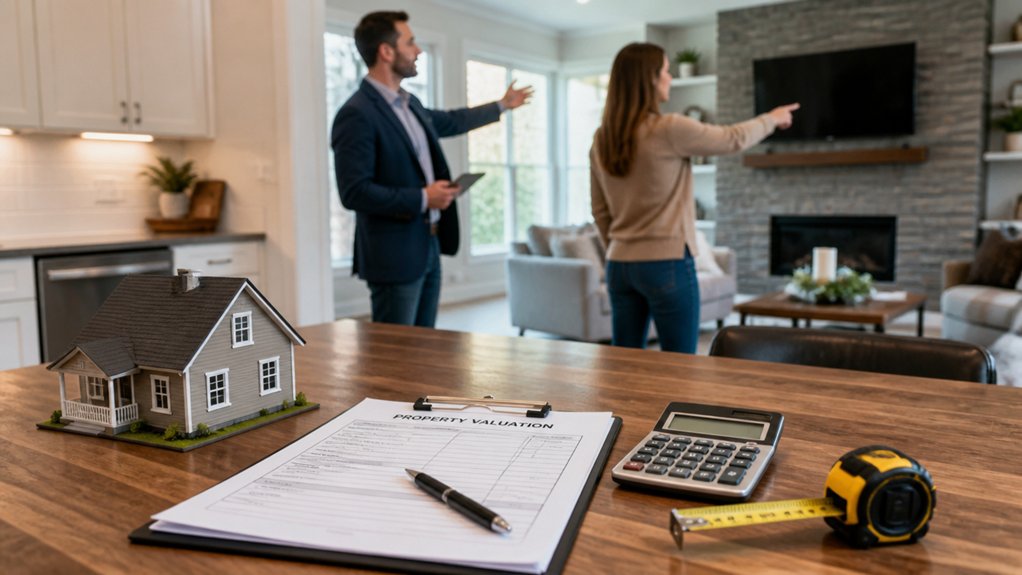
Before you book anything, pin down which type of valuation you actually need, because lenders, courts, and tax authorities don’t accept the same evidence or standards.
If you’re refinancing or buying, you’ll need a lender-accepted valuation that follows their panel rules and reporting format for mortgage approval.
If you’re settling an estate, divorcing, or disputing ownership, you’ll need an independent valuation prepared for legal scrutiny, with clear assumptions and defensible methodology.
If you’re challenging council rates or appraising Property taxes, you’ll focus on statutory land value or assessed value frameworks, not market-facing sale price.
Ask upfront who the end user is, what regulation applies, and what date of value is required, so your report lands with your community’s decision-makers.
What Valuers Look At in a House Valuation
Although every valuation brief has its own rules, valuers typically work from a consistent checklist that lets them justify a number under recognised standards and withstand lender or legal review. You’ll see them confirm title details, zoning, and permitted use, then measure land and improvements against plans and onsite observations.
Next, they test condition and risk: structural integrity, maintenance history, defects, renovations, and whether work appears compliant with approvals and safety requirements. They’ll record room count, layout efficiency, finishes, fixtures, parking, and ancillary features, because each item affects functional utility and depreciation.
A formal Property appraisal also weighs evidence from sales, cost, and income approaches where relevant, supported by Market analysis and clear adjustments. When you provide documents, invoices, and access, you help the valuer produce a result your lender, court, or family can rely on.
How Location Changes Your House Valuation
Where your property sits can shift its valuation as much as the building itself, because valuers anchor their figure to comparable sales within the same suburb, school catchment, and zoning controls. If recent sales on your street clear higher price-per-square-metre bands, your valuation usually follows, even when broader city trends soften.
You’ll also feel the impact of Neighborhood dynamics: vacancy rates, crime statistics, transport frequency, and walkability scores can nudge demand up or down. Planning overlays matter too. Zoning regulations that allow duplexes, subdivisions, or mixed use can lift land value, while heritage or flood overlays can cap redevelopment and tighten buyer pools.
To position yourself, pull three to six truly comparable sales, check council planning maps, and note any announced infrastructure—buyers like knowing they’re joining a stable, well-serviced pocket.
How Condition and Upgrades Affect Valuation

Even if your suburb sets the baseline, a valuer will still discount or premium your figure based on observable condition and the cost-to-cure any defects. You’ll see this in line-item adjustments for roof life, damp, wiring, and compliance with current building codes and safety standards.
Deferred maintenance can trigger larger deductions than you expect because valuers benchmark repair costs against recent local sales.
Upgrades help when they’re documented and market-aligned. Provide invoices, permits, and warranty details so the valuer can verify quality and legality.
Focus on high-signal items—kitchens, bathrooms, insulation, HVAC, and structural works—because their renovation impact shows up in comparable evidence.
Property aesthetics matter only insofar as they reflect durability and finish grade relative to neighbouring stock.
How Presentation Can Lift a House Valuation
How much can presentation really move a valuation when the bricks and postcode don’t change? More than you’d think, because valuers must evidence marketability, not just measurements.
If you reduce “buyer resistance,” you often lift perceived risk and time-to-sell, which influences the valuer’s judgement within professional standards and lender guidance.
Start with interior design choices that read neutral, consistent, and well-maintained: clean lines, repaired scuffs, working lights, and uncluttered rooms that show usable space. Document what’s fixed and serviced so the valuer can note it confidently.
Outside, prioritise landscaping features that signal care and compliance—tidy boundaries, safe paths, trimmed trees away from roofs, and clear drainage. You’re not “staging”; you’re helping the valuer see a home that fits expectations in your area.
How Comparable Sales Support Your Valuation
You’ll strengthen your valuation when you anchor it to recent, nearby comparable sales that match your home’s size, condition, and key features.
You can’t rely on raw sale prices alone, so you’ll adjust for meaningful differences (like renovations, lot size, or parking) using supportable, documented inputs that align with local valuation standards.
You’ll also read the comps as a trend line—tracking days on market, price movements, and buyer demand—so your number reflects current market conditions, not last quarter’s.
Selecting Relevant Comparables
Because market value hinges on what buyers have recently paid, your valuation should start with selecting truly comparable sales—closed transactions that match your home’s location, size, condition, and key features as closely as possible.
Pull 3–6 sales from the past 3–6 months within the same neighborhood or school boundary, and confirm they’re arm’s-length deals, not foreclosures or family transfers.
Use MLS records, county deeds, and assessor data so you’re aligned with legal considerations and don’t rely on incomplete listings.
Check whether the comps share the same zoning, HOA rules, and permitted use, since those constraints affect demand.
Finally, scan assessed values and recent property taxes to spot outliers that signal data errors or unusual transactions.
Adjusting For Property Differences
Once you’ve chosen solid comps, adjust them for measurable differences so your valuation reflects what buyers actually pay for your home—not an average of nearby sales. Start with square footage, bed/bath count, lot size, parking, and year built, then apply paired-sales or local adjustment rates (for example, $/sq ft or per added bath) supported by closed data.
Next, correct for condition and permitted upgrades; lenders and appraisal standards expect you to separate cosmetic work from value-added renovations. Document everything with permits, receipts, and photos so your report aligns with common compliance checks.
Also note carrying-cost signals: a higher Property tax bill or an Insurance assessment tied to roof age, flood zone, or rebuild cost can justify adjustments. When you use consistent math, you’ll feel confident presenting a valuation that fits your neighborhood’s expectations.
Interpreting Market Trends
While a single comparable sale offers a snapshot, a tight set of recent comps shows whether your market’s moving up, flattening, or softening—and that trend should shape your valuation. Look at sale dates, price-per-square-foot, and days on market, then chart them over 30–180 days to see direction, not noise.
You’ll strengthen your number by checking Market cycles against economic indicators like mortgage rates, local employment, and new-listing volume. If rates rise and inventory builds, you shouldn’t price off last quarter’s peak comps without time adjustments.
If demand accelerates, you can justify modest upward adjustments—documented, not guessed. Stay consistent with appraisal standards and fair housing rules: rely on measurable market data, avoid subjective neighborhood labels, and you’ll fit your valuation into how informed buyers and lenders think.
What to Prepare Before a House Valuation
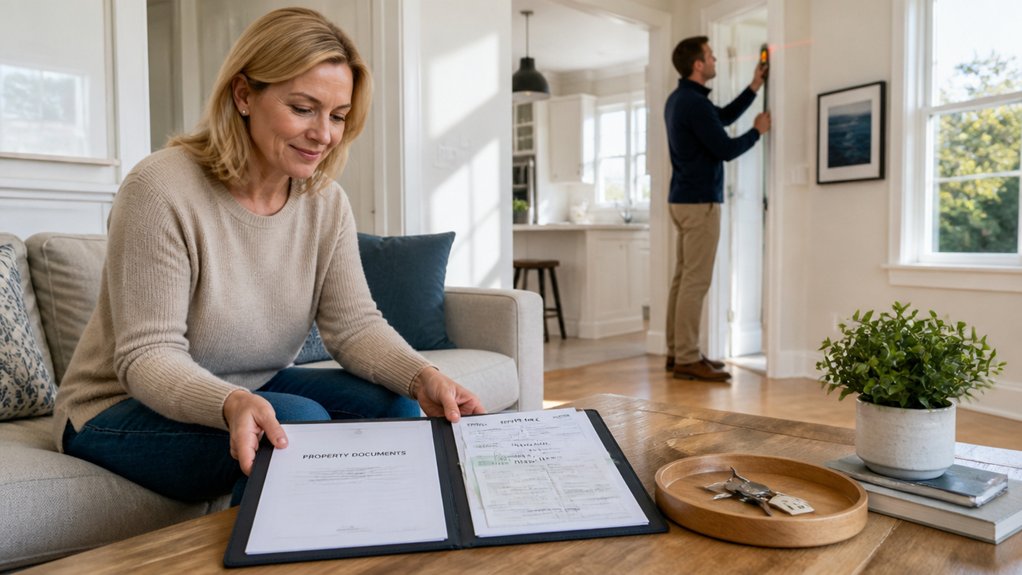
Before the valuer arrives, organise the records and access they’ll rely on to form a defensible opinion of value. Gather your title, recent renovations with invoices, planning approvals, warranties, and any compliance certificates (electrical, plumbing, smoke alarms).
Print your latest Property taxes notice and strata or HOA levies, since recurring charges affect net value and buyer demand.
Make the home easy to measure and inspect: clear loft hatches, meter boxes, garages, and boundary lines; unlock gates; label recent upgrades. Document defects you’ve repaired and disclose known issues—most standards and lender policies penalise uncertainty more than faults.
Prepare comparable sales you trust, but don’t cherry-pick; include dates and conditions.
If you’re refinancing, note Mortgage implications, so your paperwork supports a consistent, auditable story.
Agent vs Surveyor vs Online House Valuation
When you choose between an agent, a regulated surveyor, or an online model, you’re really choosing different accuracy levels and methodologies—from comparable sales and onsite inspection to automated data estimates.
You’ll also face clear trade-offs in cost and timeframe, with surveyor reports typically taking longer and costing more but offering higher assurance for lenders and formal use.
Match the option to your purpose: pricing for sale, mortgage or probate compliance, or a quick sense-check before you commit.
Accuracy And Methodology
Because each valuation method relies on different inputs, assumptions, and regulatory standards, you’ll often see materially different figures from an estate agent, a RICS surveyor, and an online estimate.
Agents typically anchor to live buyer demand and comparable listings, so their figure can reflect marketability as much as evidence.
A RICS surveyor applies recognised standards (the “Red Book”), documents constraints, and tests comparable sales with adjustments for condition, tenure, and risk, which usually tightens valuation accuracy.
Online models lean heavily on historical data, Land Registry records, and algorithmic comparables; they struggle when your home is extended, atypical, or in a thinly traded micro‑market.
To stay aligned with how lenders and informed sellers think, ask what evidence set was used, what was excluded, and which assumptions drive the number.
Costs And Timeframes
Methodology shapes accuracy, but it also dictates what you’ll pay and how quickly you’ll get a figure. With an estate agent, you’ll often pay £0 upfront because the cost is typically built into marketing fees; timelines are fast—sometimes 24–72 hours—using local comparables and demand signals.
A chartered surveyor’s Property appraisal usually costs ~£300–£1,500+ depending on property complexity, and you’ll wait around 3–10 working days; you’re also buying a RICS-regulated, documented process.
Online valuation methods can be instant and free, or £20–£100 for enhanced reports, but they rely on automated datasets and may lag current market shifts. Track fees, deliverables, and assumptions so your numbers stay defensible and aligned with lenders’ expectations.
Suitability By Purpose
Although all three routes can produce a credible figure, the “right” house valuation depends on what you’ll use it for: an estate agent’s estimate works best for pricing and marketing decisions, a chartered surveyor’s RICS valuation suits regulated or high-stakes needs (mortgages, probate, divorce, shared ownership, tax), and an online valuation tool fits early-stage budgeting where speed matters more than evidential weight.
If you’re listing soon, an agent will anchor your price to local comparables and buyer demand, helping you move with the market. If you must satisfy mortgage requirements or formal reporting, you’ll want the audit trail, methodology, and liability cover a surveyor provides.
If you’re sense-checking options, online models can flag ranges fast, but they can’t verify condition, extensions, or Property zoning nuances.
Valuation Red Flags, Costs, and How to Challenge It
When you receive a house valuation, scan it for red flags (like outdated comparable sales, incorrect square footage, missed upgrades, or heavy “subject to” assumptions), since these issues can skew the number and affect your financing, taxes, or sale price.
Treat these valuation red flags as fixable data errors, not personal judgments, and keep your notes aligned with lender and local-assessor standards.
Expect costs: lenders often charge an appraisal fee, while private valuations may add rush, travel, or complex-property premiums.
Ask what report type you’re buying and whether it meets underwriting rules.
If the value seems off, start challenging house valuation with evidence: recent comps within tight distance/time bands, permitted improvements, repair bids, and corrected measurements.
Request a reconsideration of value in writing, follow the stated process, and you’ll advocate fairly for your place in the market.
Conclusion
When you get a house valuation, match the report to your goal—sale, refinance, tax, or legal—because standards and compliance requirements differ. Prepare titles, invoices, and certificates, and make every area accessible so the valuer can verify condition and upgrades. Ground the figure in recent comparable sales and location data; presentation can add measurable appeal. Choose agent, surveyor, or online based on risk and timelines. If results look off, challenge it like auditing a ledger.
About the Author