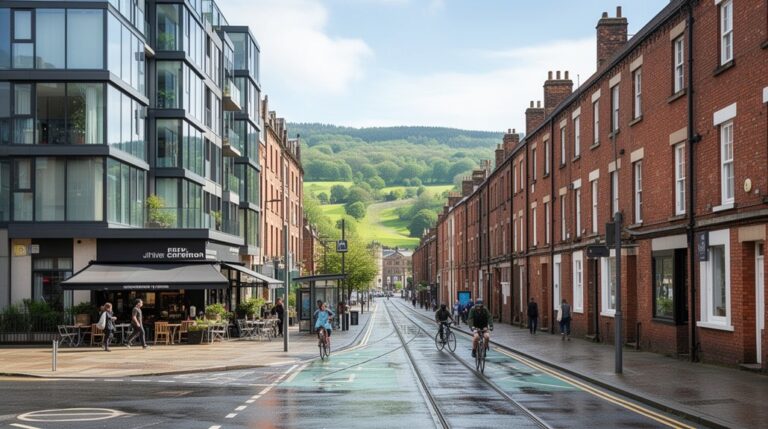
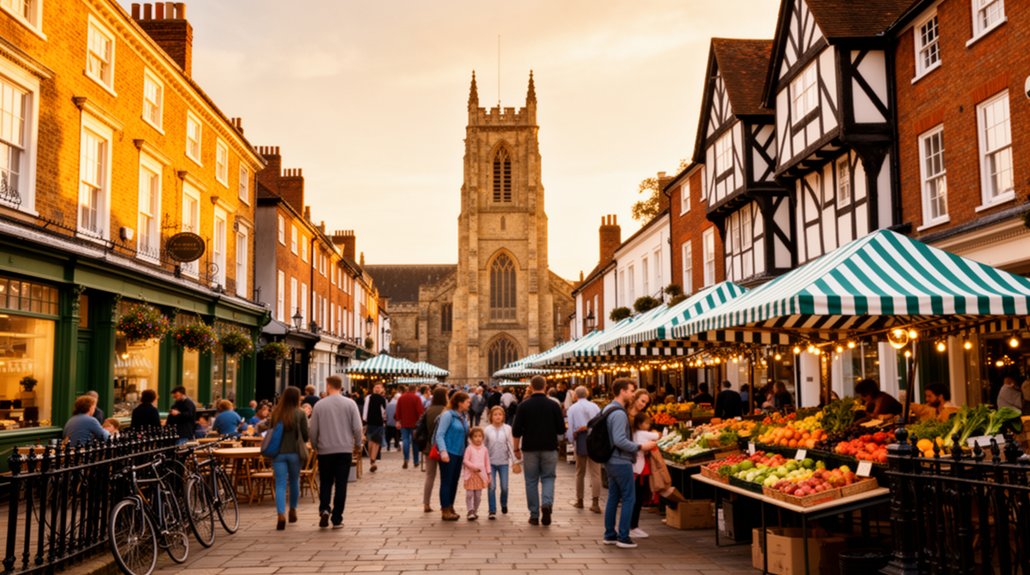
You view a two‑bed Victorian terrace off Hitchin’s High Street at 9:30am, and by lunch it’s already competing bids and a fully‑booked second viewing slot. That pace isn’t random: tight walkability, rail access to London, and conservation‑area stock compress supply while lifestyle demand stays broad. If you’re weighing whether to renovate, rent out, or settle long‑term, the numbers hinge on a few street‑level factors that most buyers miss…
Key Takeaways
- Hitchin stays in demand even in cooler markets, thanks to walkability, strong schools, and a steady London-commuter rhythm.
- Thameslink links reach London in 30–35 minutes, keeping buyer and renter interest high and supporting firm pricing.
- A compact town-centre grid around Market Place and High Street makes most errands walkable within five minutes, boosting daily liveability.
- Festivals, markets, cafes, and pubs create year-round community identity and footfall that strengthens neighbourhood desirability.
- Conservation-area period homes and prized school catchments command premiums, while limited supply keeps competition high for turnkey properties.
What Drives Demand for Living in Hitchin?

Why does Hitchin keep pulling in buyers and renters even when the wider market cools? You’re buying into walkability, schools, and a commuter rhythm that stays resilient because trains, jobs, and amenities line up.
Data from high street vacancy rates and footfall trackers shows the town centre keeps trading, so you feel that “lived‑in” energy, not a hollowed‑out strip.
Historical architecture anchors conservation areas, which protects character and supports value‑adding refurb plans like sash repairs, lime pointing, and sensitive kitchen extensions. You can modernise behind period facades without losing the look that makes neighbours proud.
Add local festivals on the market square, and you don’t just move house—you join a calendar, a community, and a place with pull year‑round.
Hitchin Property Prices and Rents (What to Expect)
You’ll see Hitchin’s prices holding firm because demand outpaces supply, with the strongest premiums on turnkey homes and well‑executed refurb stock.
On the rental side, you can expect steady tenant competition that supports rents and keeps yields tight unless you’re adding value through smart layout fixes, EPC upgrades, or targeted modernisation.
Track recent sold prices vs. asking, days on market, and rent‑per‑sq‑ft so you can price your offer and your renovation budget with margin built in.
Current Price Trends
While Hitchin’s village‑feel town centre keeps demand resilient, current price and rent trends show a market that still rewards well‑executed refurbishments and smart spec choices. You’ll see renewed buyer sensitivity to layout, EPC rating, and finish: turnkey homes hold firmer pricing, while dated stock needs sharper negotiation.
In recent months, well‑presented period terraces near amenities tend to transact faster than compromised semis on busier roads, even when headline asking prices look similar. If you respect Hitchin’s Historical architecture, you can justify a premium with slimline glazing, restored sash detailing, and high‑performance insulation that doesn’t jar.
Keep kitchens and bathrooms neutral but upgraded, and you’ll appeal to locals who want to feel part of the town’s rhythm, from the market square to local festivals.
Rental Yields And Demand
Buyer preferences set the tone, but rental performance in Hitchin often decides whether a refurbishment stacks up on paper.
You’ll see strongest demand from rail commuters and young families who want walkable schools, cafés, and the station, so refreshed two‑ and three‑beds typically let fastest.
Target gross yields around 4–5% on well‑presented houses, with scope to lift rent 5–10% after kitchens, bathrooms, and EPC upgrades that reduce bills and boost appeal.
Luxury apartments can rent well near the centre, but you’ll need standout finishes, storage, and parking to beat competing schemes.
Keep voids low by pricing to the median, offering pet‑friendly terms, and presenting turnkey condition.
Done right, you’re not just chasing investment opportunities—you’re building homes people want to stay in.
Walkable Hitchin: Town Centre Layout and Daily Errands
Because Hitchin’s town centre follows a tight, market‑town grid anchored by Market Place and the High Street, most daily errands compress into a genuinely walkable loop that buyers consistently pay a premium for. You can cover Local shopping, the gym, pharmacies, cafés, and school drop‑offs without firing up the car, which cuts running costs and widens your buyer pool at resale.
That “five‑minute radius” also boosts rental appeal, trimming void periods and supporting firmer asking prices.
For you as an upgrader, walkability changes your renovation maths: prioritise secure bike storage, better lighting, and a front entry that handles muddy boots and parcels. You’ll feel plugged in, too—weekend community events pull you into familiar faces, not just footfall.
Hitchin’s Period Homes, Conservation Areas, and Character
If you’re drawn to Hitchin’s period streets—Georgian façades near the centre, Victorian terraces radiating out, and pockets of older cottages—you’re also buying into conservation‑area rules that shape both your budget and your upside. You’ll pay a premium for Historical architecture, but you’re often buying scarcity: tighter supply, stronger resale, and fewer “anything goes” alterations next door.
Plan for higher survey and compliance costs—rooflines, sash repairs, lime plaster, heritage paint—and build a 10–15% contingency if you’re reworking services. Check Article 4 directions and get pre‑app advice before you price in dormers or render.
Done well, sympathetic upgrades keep kerb appeal intact, protect local traditions, and help you feel part of the streetscape.
Schools in Hitchin: Catchments, Reputation, Pressure Points
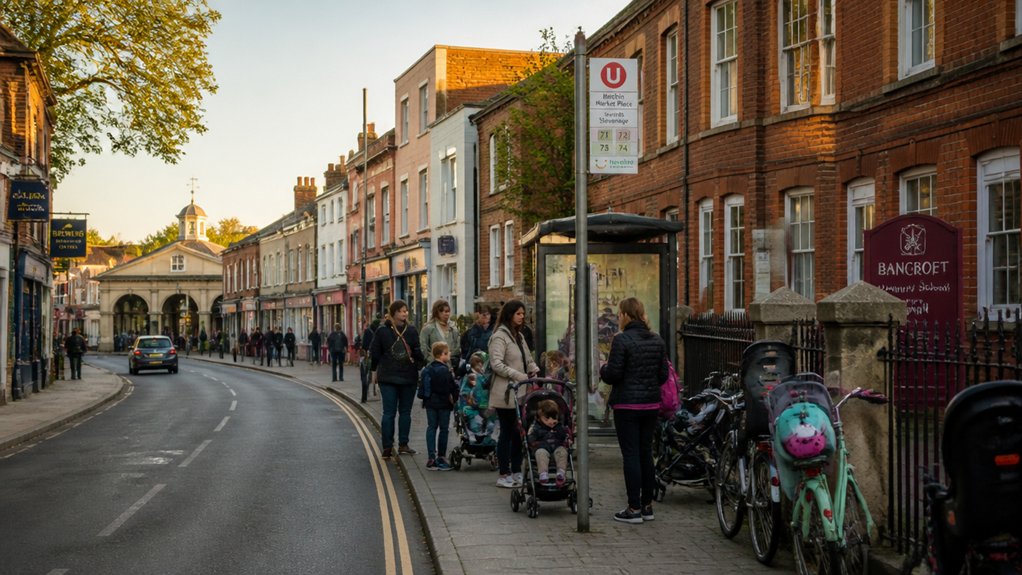
If you’re buying or renovating in Hitchin, school catchment boundaries can shift your resale upside as much as a new kitchen, so you’ll want to map exact lines against recent offer‑day outcomes.
You’ll also need to price in admissions pressure—popular primaries and secondaries often oversubscribe, tightening the pool of “in‑catchment” stock and pushing premiums on the right streets.
Treat catchment proof, distance metrics, and realistic admission odds as part of your due diligence before you commit to a layout rework or loft conversion.
Catchment Areas And Boundaries
While Hitchin sells itself on walkability and character stock, school catchment lines often do more to set your purchase price—and your renovation ceiling—than the kitchen spec ever will. Before you budget for a side-return or loft, map catchment boundaries street by street, because a 200‑metre shift can re-rate value and resale confidence.
You’ll want evidence, not hearsay: check the council’s GIS layers, the school’s published boundary delineation, and recent sold‑price clusters around those edges. Then cost your works with that micro‑market in mind: within the “right” pocket, buyers reward period-correct upgrades and EPC gains; just outside, you may need sharper pricing and more universally appealing layouts.
Use your surveyor and agent to sanity‑check the line, so you’re buying into the community you want.
Admissions Pressure And Oversubscription
Why do two otherwise similar terraces in Hitchin trade at noticeably different prices each spring? Admissions pressure. When popular primaries and secondaries hit capacity, buyers bid up “safe” streets inside tight cut‑offs; one road can swing values by 3–7% in peak years, even before you factor in condition.
You can’t renovate your way into a school, but you can renovate to compete within the boundary: lofts, third bedrooms, and garden offices let you pay a premium once, then avoid upsizing later. Track PAN, historic offer distances, and sibling priority to gauge oversubscription risk.
If you’re near the line, budget for appeal uncertainty and a fast resale plan. You’ll still belong—schools anchor community events and the Local art scene.
Parks and Countryside Near Hitchin (Key Green Escapes)

Because green space now ranks as a measurable value driver—not just a lifestyle perk—Hitchin’s parks and nearby countryside have become a key factor in buyer demand and renovation ROI. When you can point buyers to walkable public parks, you’re not selling “nice views”; you’re selling daily utility and stronger resale.
Local agents consistently price a premium for homes near established green corridors, especially where routes link to town amenities.
You’ll also see quicker offers when listings highlight access to scenic trails, nature reserves, and weekend loops beyond the centre.
Renovation-wise, you can lean into that demand: add a boot room, storage for bikes and buggies, and durable flooring that suits muddy returns. These upgrades feel like they belong here, and buyers notice.
Hitchin to London Commute: Times, Fares, Reliability
How fast can you get from Hitchin to London—and how much does that certainty cost? Fast Thameslink services typically run about 30–35 minutes to London St Pancras; slower patterns push 45–55. Season tickets and peak singles price that speed, but off‑peak fares can cut costs if you flex hours.
Reliability matters to value: frequent trains reduce “commute risk,” supporting buyer demand and rental yields.
You’ll also want a station‑to‑front‑door plan. If you’re renovating, prioritise bike storage, a mudroom, and soundproofing for early departures; these upgrades photograph well and widen your buyer pool.
When Local festivals and community events fill the calendar, a dependable rail link lets you stay rooted here while working in town.
Cafés, Pubs, and Market Days: What Weekends Feel Like
While the weekday narrative centres on rail reliability, Hitchin’s weekend demand is powered by footfall—independent cafés that stay busy past 10am, pubs that anchor the evening economy, and market days that pull in both locals and day‑trippers.
You feel it in the queue density on Bancroft, the table turnover, and the steady spend on local cuisine that keeps units trading and rents resilient.
If you’re renovating, you’ll value walkable proximity: homes within an easy stroll of the market square often photograph better and book more viewings after Saturday peaks.
You can stage a kitchen around brunch culture, add boot‑space for muddy routes, and prioritise front‑door kerb appeal for high‑traffic streets.
Weekends also rotate through community events, so you’re not buying a postcode—you’re buying repeat footfall and familiarity.
Is Hitchin Right for You? Best Fits and Deal-Breakers
Weekend footfall and weekday rail reliability explain Hitchin’s demand, but they don’t guarantee it’s the right buy for you. You’ll fit best if you can act fast, budget for bidding pressure, and value walkability over square footage.
If you’re renovation-minded, target tired Victorian terraces or 1930s semis where layout tweaks and insulation upgrades lift EPCs and resale. You’ll feel at home if you’ll actually use the Local art scene, join community events, and build routines around the market and schools.
Deal-breakers: you need detached-with-drive at entry prices, you’re noise-sensitive near the centre, or you can’t stomach short leases and conservation constraints.
Run numbers on stamp duty, works, and commute before you commit.
Conclusion
If you’re weighing Hitchin, you’re buying more than a postcode: you’re buying walkability, schools demand, and a London commute that keeps valuations buoyant. Think of the town like a well‑planned renovation—solid Victorian bones, conservation “rules,” then smart upgrades that lift resale. Prices and rents stay supported by tight supply near the High Street and parks. Your deal‑breakers are clear: parking, competition, and premium turnkey stock.
About the Author