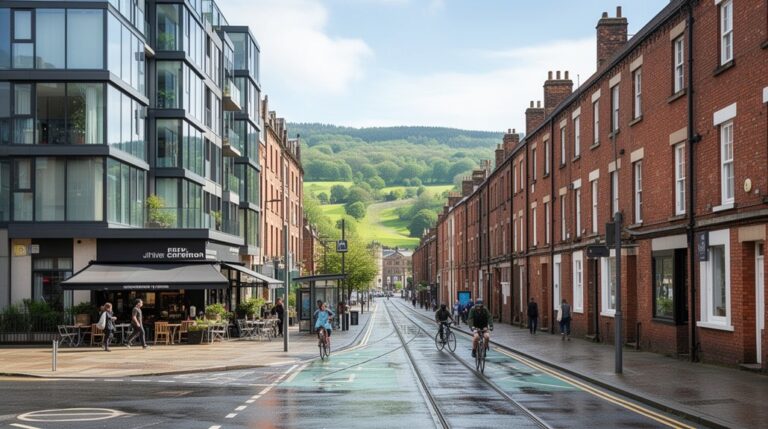
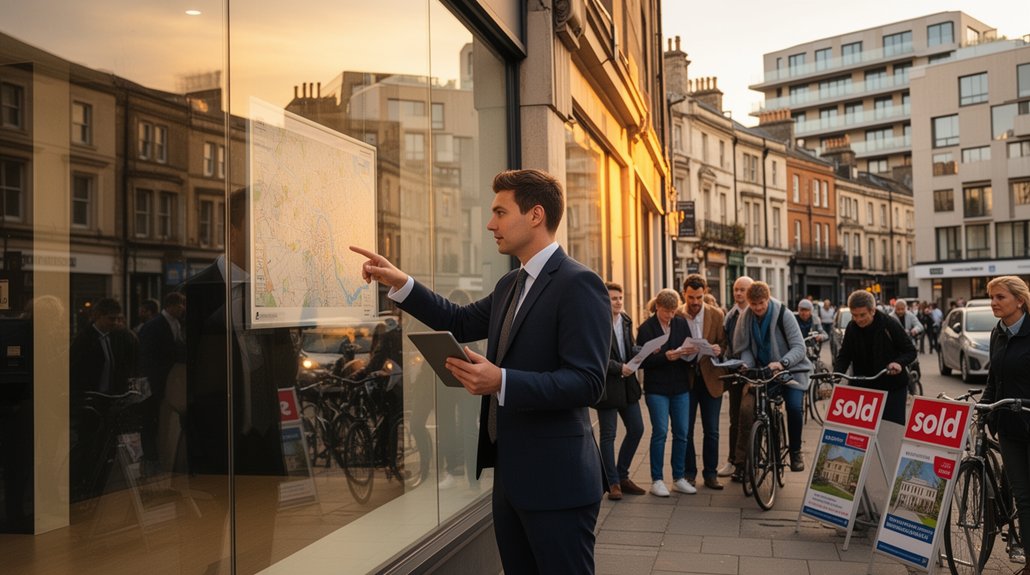
If you’re tracking Bristol’s market, you’re seeing demand concentrate where commute times drop and amenities stack up. Local agents flag fastest turnarounds in BS1, BS2, BS6, and BS8, with move-in ready homes drawing multiple enquiries and going under offer in weeks. You’ll also notice sharper competition near stations and main bus corridors, while negotiation windows tighten. The question is where buyers and renters are losing out first—and why.
Key Takeaways
- Demand is rising fastest in commuter-friendly neighborhoods near stations, bus corridors, and strong school catchments.
- Inner-city rentals (BS1, BS2, BS6, BS8) are highly competitive, with 10+ inquiries per listing and viewings fully booked within a day.
- Move-in ready, well-presented homes in common price bands sell quickest, especially those with modern amenities, good EPCs, and no chain.
- Virtual tours now drive most shortlisting, compressing decisions to 24–72 hours and helping well-priced homes secure offers within 10–21 days.
- Agents advise pricing to recent sold data; overpricing by 2–3% often extends selling times beyond 30 days, especially outside core postcodes.
Where Bristol Demand Is Rising Fastest
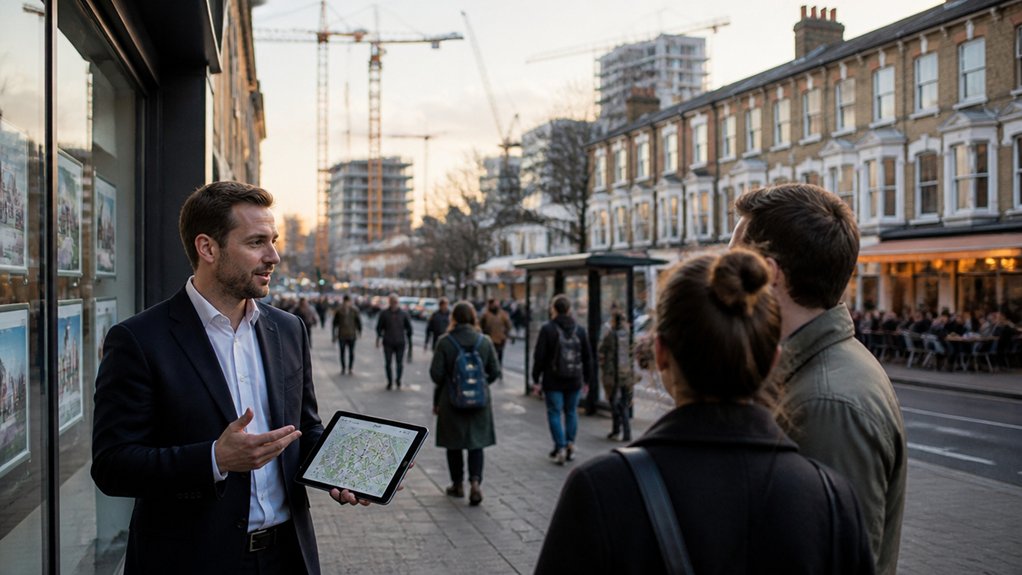
While Bristol’s overall market stays competitive, demand is rising fastest in commuter-friendly neighbourhoods with strong transport links, good schools, and walkable amenities—areas where limited stock meets steady buyer and tenant pressure. You’ll notice momentum clustering around stations, key bus corridors, and high-performing school catchments, where days-on-market shorten and best-in-class homes attract multiple viewings.
If you want to feel anchored quickly, focus on neighborhood hotspots with lively high streets, parks, and reliable local services, because they help you plug into community routines. Track listing volumes versus agreed sales, and compare rent-to-price ratios street by street to spot investment opportunities without overpaying.
You’ll compete hardest for period terraces, turnkey flats, and family semis that offer space plus a quick commute.
What’s Driving Bristol Demand Right Now?
Hotspots near stations and strong school catchments don’t heat up on their own—Bristol demand is being pushed by a mix of affordability math, jobs growth, and lifestyle pull.
If you’re comparing cities, you’ll see market affordability still works here: your budget often buys an extra bedroom versus London, while rents stay firm enough to reassure landlords.
You’re also buying into a jobs engine. Tech, aerospace, and public-sector hiring keep salaries and tenant demand resilient, especially around major employment corridors.
Add the “15-minute” effect: neighborhood amenities like independent food, green space, and cycle links reduce car costs and raise day-to-day convenience.
When you choose these areas, you don’t just find a home—you join a stable, active community with momentum.
How Bristol Property Viewings Have Changed
You’re seeing virtual viewings surge in Bristol, with agents reporting more first-touch interest coming through video tours before anyone books an in-person slot.
That shift compresses your decision window, because serious buyers shortlist faster and move from viewing to offer in days, not weeks.
If you’re selling or buying, you’ll need tight listings, ready-to-send docs, and flexible availability to keep pace.
Virtual Viewings Surge
As buyer schedules tighten and stock turns faster, Bristol agents report a sharp shift from Saturday open-house footfall to screen-first shortlisting, with virtual viewings now used to filter properties before anyone books a physical visit.
You’ll see listings pushing 3D Virtual tours, narrated walk-throughs, and drone clips, because they cut wasted appointments and widen reach beyond the M32 corridor.
Agents say enquiries increasingly arrive after a 10–15 minute tour, not a kerbside glance, and your questions get better: EPC costs, broadband speeds, lease terms, and room dimensions.
If you’re relocating or time-poor, you can compare 5 homes in an evening, then visit only the top two.
Strong digital marketing also helps you spot micro-areas that fit your tribe—schools, cafés, and commute rhythms.
Shorter Decision Windows
Because demand keeps outpacing fresh instructions in many Bristol postcodes, agents say the viewing-to-offer window has tightened from “sleep on it” to “act within 24–72 hours” on correctly priced homes.
That shift reflects clear market trends: fewer new listings per week, more booked slots per day, and higher fall-through risk if you hesitate.
To stay competitive, you’ll need to view with your decision-makers present, get your mortgage agreement updated, and line up your solicitor before you tour.
Agents report buyer behavior now favours buyers who ask targeted questions on tenure, EPC, and comparable sales, then move straight to terms.
If you want to feel part of the neighbourhood, treat the viewing like due diligence—know your must-haves, but act fast when the fit’s right.
What Bristol Agents Say About Pricing and Negotiating
You’ll set your asking price off the latest Bristol sold-data and live competition, then frame it to steer offers toward your target without stalling demand.
You’ll also use tight negotiation tactics—offer deadlines, best-and-final rounds, and evidence-backed counters—to protect your floor price while keeping credible buyers moving.
You’ll map the timeline from first viewing to agreed sale, so you can judge when to hold firm, when to reprice, and when speed is worth a concession.
Asking Prices And Offers
While demand has pushed Bristol’s sale times down in many postcodes, local agents say pricing still decides whether you get competing offers or weeks of price-chasing.
To stay with the winners on your street, anchor your asking price to closed-sale evidence, not hopeful listings, and adjust for condition, EPC, and parking.
Agents report that 1–2% over the most recent comparables can work in hotspots, but only when photos, floorplans, and viewing capacity match the premium.
Track Market trends by postcode: where stock is tight, buyers stretch; where supply’s risen, they don’t.
Read buyer motivations too: first-timers chase certainty, families pay for school catchments, and downsizers value low-maintenance.
Price for the tribe you’re attracting, and offers follow.
Negotiation Tactics And Timelines
If you negotiate like it’s 2019, Bristol buyers will beat you on speed as much as price. Agents report most serious interest lands within 7–14 days, so you’ll need clear Offer strategies before viewings stack up.
Set a decision window, pre-brief your solicitor, and confirm your onward plan so you can say “yes” fast without overreaching.
When offers arrive, rank them by proceedability: mortgage status, deposit size, chain length, and survey risk. Use counteroffers to protect your floor while keeping momentum—tighten timelines, request proof of funds, or ask for a higher figure in exchange for removing fixtures or agreeing a target completion date.
You’ll fit the market norm: decisive, fair, and easy to transact with.
Where Bristol Rental Competition Is Fiercest
As Bristol’s tenant pool keeps expanding faster than available stock, competition concentrates most sharply in the inner-city postcodes—BS1, BS2, BS6 and BS8—where commuting convenience, nightlife and universities compress demand into a small footprint.
In these zones, you’ll often face 10+ enquiries per listing in the first 48 hours, with viewings fully booked within a day. If you want to feel part of the city’s buzz, prioritise speed: line up references, proof of income, and a holding deposit before you tour.
For neighborhood diversity without losing rental affordability, widen your search to edges of Hotwells, St Werburghs, and Southville’s quieter streets, where demand stays high but bidding wars ease.
Set alerts, respond within minutes, and offer flexible move-in dates.
Which Bristol Homes Are Selling Fastest?
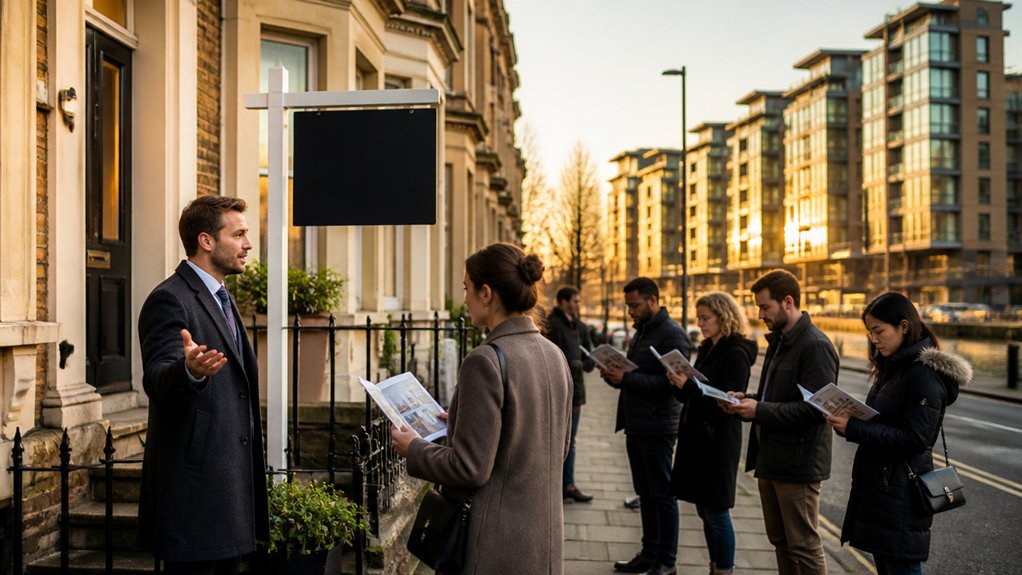
Because demand still outpaces listings across much of the city, the homes selling fastest in Bristol tend to share two traits: they hit the “mass-market” price band and they’re move-in ready.
If you’re priced around typical first-time-buyer and upsizer budgets, you’ll usually see the shortest marketing times, especially with clean EPCs, modern kitchens, and no chain.
You’ll move quickest with well-presented family homes in BS7, BS5, and Southville-style streets where schools, parks, and commutes stack up.
Two- and three-bed terraces and semis that photograph well often trigger multiple viewings in week one.
Luxury apartments can still sell fast when they nail location (harbourside, Clifton fringe), parking, and service-charge transparency, so buyers feel they’re joining the right community.
What Bristol Agents Expect in the Next 6 Months
While the market still favours well-priced, turnkey stock, most Bristol agents expect the next six months to bring steadier (not explosive) price movement, slightly longer time-to-offer on anything that’s even 2–3% over comparables, and more negotiation power for buyers as new instructions rise seasonally.
If you’re selling, you’ll win by listing to the last sold, not the dream figure: agent insights suggest best-in-class homes still secure offers in 10–21 days, while “test-the-market” pricing can stretch beyond 30.
Watch micro market trends by postcode—BS6 and BS8 stay resilient, but outer pockets may see wider price dispersion.
If you’re buying, you’ll get more scope for price chips, repairs, and timing, especially on homes needing updates. Stay aligned with local comparables and you’ll feel in step with the city.
Conclusion
You’re seeing Bristol’s demand rise fastest in BS1, BS2, BS6, and BS8, where good transport and lifestyle value keep listings moving in weeks. You’re also competing hard near stations and major bus corridors, especially for move-in-ready homes with modern finishes. You can expect tight negotiation windows, multiple inquiries, and rental pressure in the same hotspots. If you’re buying or letting, you’ll need speed, clarity, and prep—like lightning.
About the Author