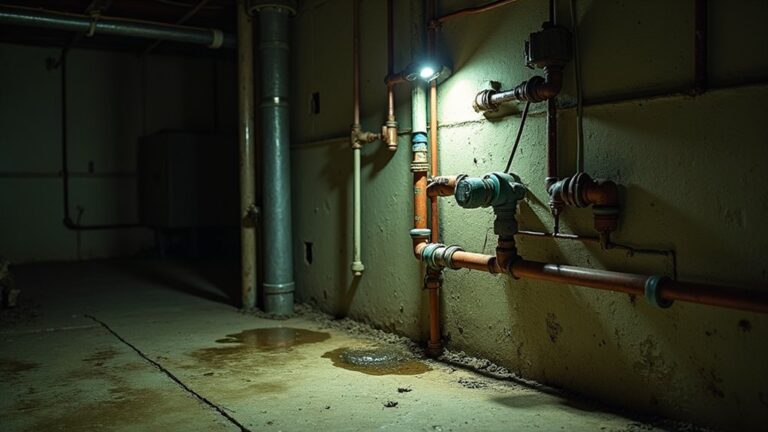
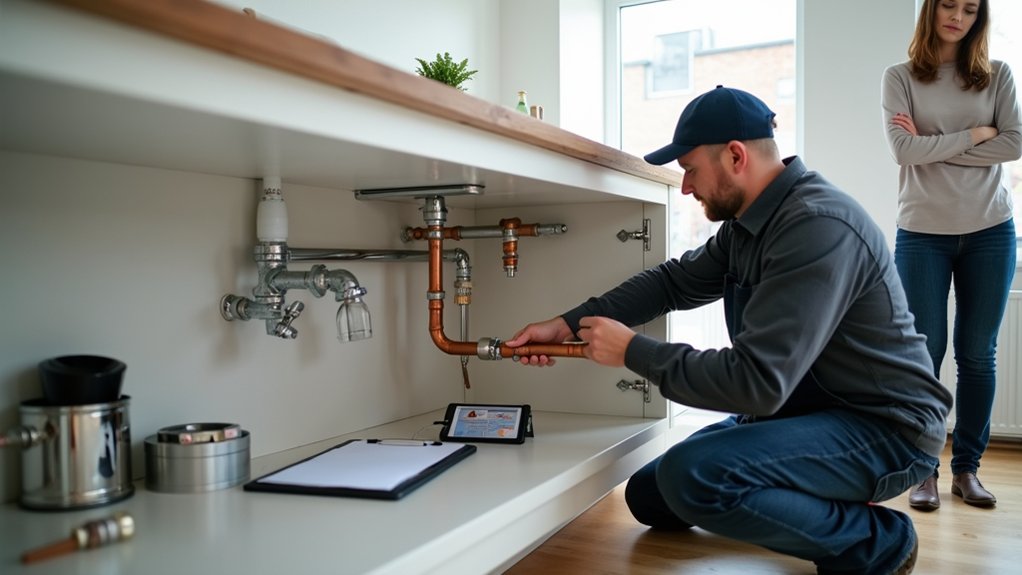
You don’t want to ring the first plumber who answers when a pipe bursts or a boiler plays up. You need to pin down the fault and how urgent it is, then check basics like Gas Safe registration, public liability insurance, and recent independent reviews. You should also ask for a written estimate that lists labour, parts, and call-out fees. But there’s one quick check that often saves you from repeat repairs…
Key Takeaways
- Identify the exact plumbing issue, location, and urgency; shut off the stop tap and boiler immediately for major leaks, sewage, or gas smells.
- Verify credentials and registration, especially Gas Safe for boilers; confirm qualifications match the work type (domestic or commercial).
- Ask for proof of public liability insurance covering damage and injury, and ensure any staff or subcontractors are also insured.
- Get a written, itemised estimate detailing labour, parts, VAT, disposal, timeline, and exclusions like tiling, plastering, or floor lifting.
- Check independent reviews for consistent reliability, and avoid red flags like cash-only demands, vague scopes, or refusal to pressure-test and guarantee work.
Identify the Plumbing Problem and Urgency
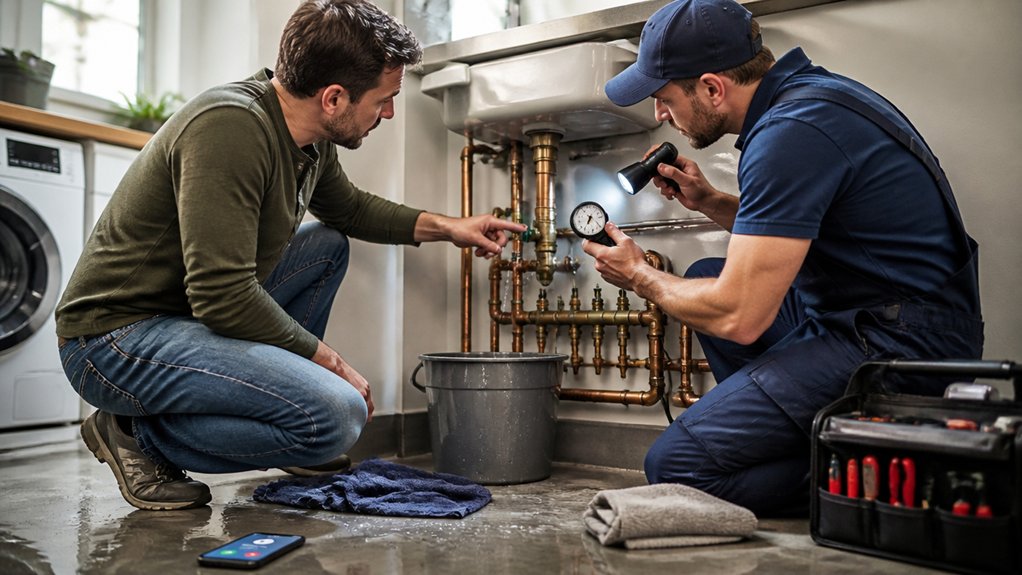
Before you ring a plumber, pinpoint what’s actually happening and how quickly it needs fixing. Check whether you’ve got a leak, blockage, no hot water, low pressure, or a boiler fault, and note where it’s occurring (kitchen sink, soil stack, radiator, stopcock).
If water’s pouring out, sewage is backing up, or there’s a gas smell near the boiler, treat it as urgent: turn off the stop tap, shut down the boiler, ventilate, and call the National Gas Emergency Service on 0800 111 999 if needed.
For slower issues, gather details: when it started, what triggers it, and any recent plumbing maintenance. Good Emergency preparedness speeds diagnosis and helps you describe the job clearly.
Verify Plumber Licensing, Insurance, and Reviews
How do you know you’re letting a competent, accountable tradesperson into your home? Start by checking they’re properly qualified: ask what Plumbing certifications they hold and whether they’re registered with a recognised UK scheme, such as Gas Safe for boilers or a CPS for notifiable work.
Confirm their public liability insurance is current and covers accidental damage and injury on your property; don’t accept vague assurances—ask to see the certificate. If you employ staff, check they’re covered too.
Then verify reputation. Read recent customer testimonials on independent platforms, not just their own site, and look for patterns: punctuality, cleanliness, clear explanations, and how they handle snags.
Finally, search their trading name for complaints and ensure contact details match.
Get a Written Plumbing Estimate With Clear Scope
Even if you’ve found a well-reviewed plumber, you should still get a written estimate that spells out exactly what they’ll do and what you’ll pay. Ask for a line-by-line breakdown covering labour, parts, call-out, VAT, and disposal, plus the expected start date and duration.
Make sure the scope states what’s included and excluded, such as making good plaster, lifting floorboards, or patching tiles. It should specify pipe material (copper, plastic, or lead replacement) and any assumptions about access, stopcock location, and isolation valves.
If the job involves low water pressure, the estimate should note testing, likely causes, and any additional remedial work that would trigger extra charges.
Keep it signed, dated, and emailed for your records.
Ask These Questions Before Hiring a Plumber
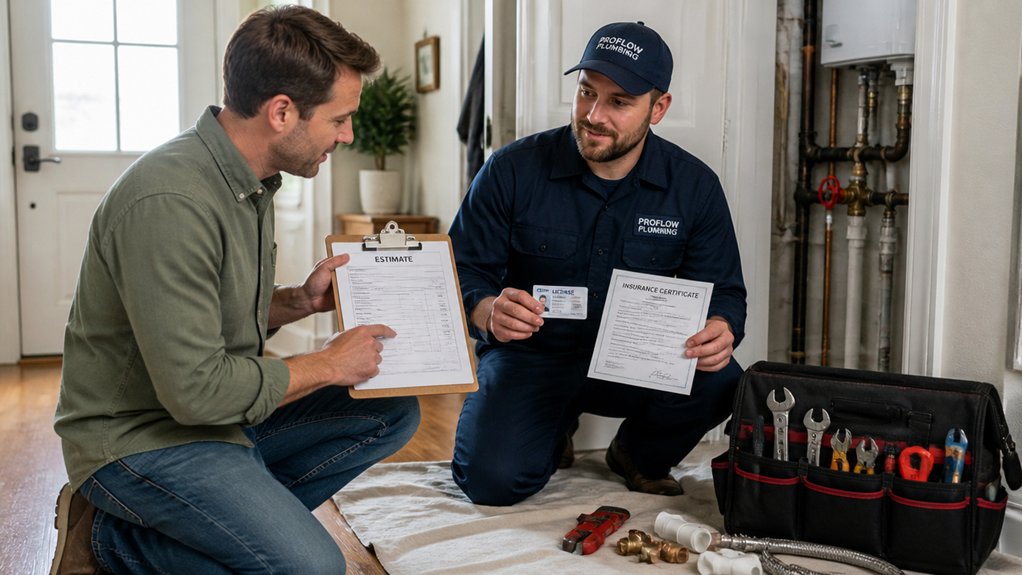
Once you’ve got an estimate in writing, ask a few direct questions to confirm the plumber’s competence, availability, and what happens if things change on site.
Ask if they’re Gas Safe registered for boilers, or certified for unvented cylinders, and whether they’ll notify Building Control when required.
Confirm who’ll attend: the quote author or a subcontractor, and whether labour, materials, parking, and waste disposal are included.
Check lead times, working hours, and how they protect floors and keep water off electrics.
For Emergency preparedness, ask their out-of-hours cover, response times, and call-out charges.
For plumbing maintenance, ask what preventive checks they recommend, which parts they stock, and what warranty applies to parts and workmanship, and how you’ll book follow-up visits.
Spot Plumber Red Flags to Avoid Repeat Repairs
A clear quote and solid answers help, but you should still watch for warning signs that lead to bodged work and repeat call-outs. If a plumber won’t explain the fault, you can’t judge whether Leak detection or Pipe maintenance is being done properly, or just patched.
- They won’t show insurance, Gas Safe/Part P credentials, or a written scope with parts listed.
- They push cash-only “today” fixes, skip isolating valves, and won’t pressure-test or document results.
- They dodge aftercare: no guarantee in writing, no photos, no advice on preventing recurrence.
You should also be wary of vague arrival times and no VAT receipt if they’re registered.
A reputable UK tradesperson gives options, explains risks, and leaves pipework accessible and labelled for future servicing.
Conclusion
You’ve probably heard the theory that “anyone can fix a leak.” Test it: ask for a written quote, proof of insurance, and (for boilers or gas) a Gas Safe ID. The difference shows fast—vague pricing and cash-only requests often lead to repeat call-outs. When you check reviews, confirm experience with your exact job, and guarantee Building Control notification where required, you’ll hire a plumber who finishes properly, first time.
About the Author