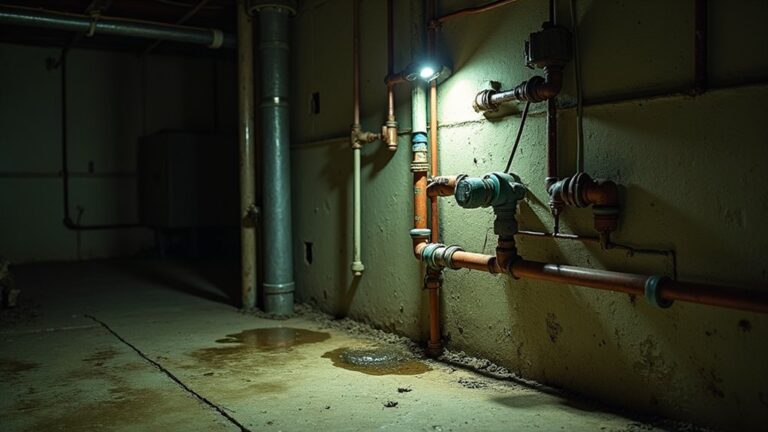
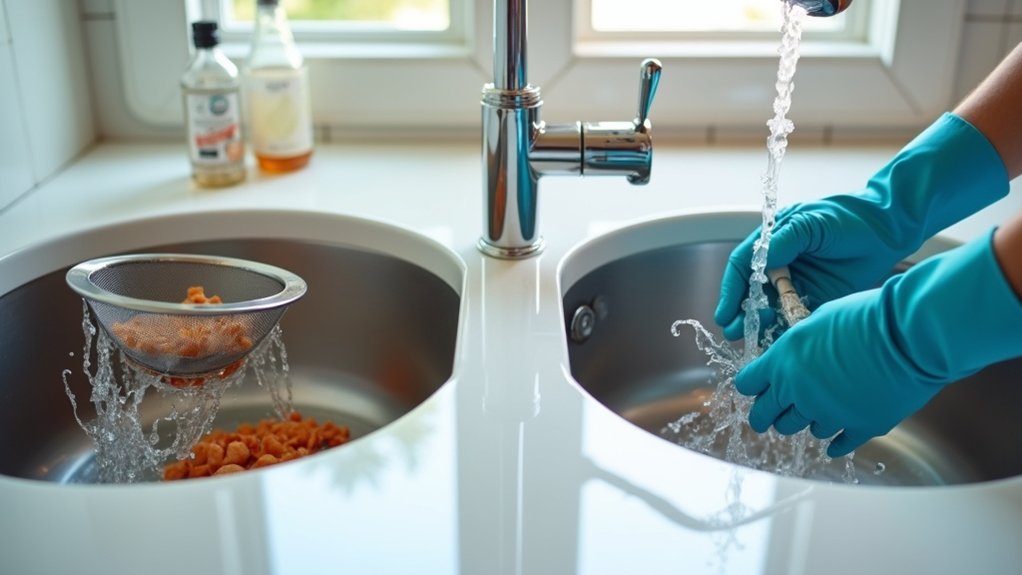
Like Pandora’s box, a slow drain can start with one small habit and end up flooding your plans. You can prevent most blockages by watching what goes down each plughole, fitting simple strainers, and giving pipes a quick hot-water flush after heavy use. Check for early clues like gurgling, smells, or water that lingers. If you catch the cause in time, you’ll avoid the mess—but which drain fails first often depends on what you’re doing daily…
Key Takeaways
- Keep grease, food scraps, hair, and soap scum out of drains by using sink strainers and shower hair catchers.
- Watch for early warning signs like gurgling, slow drainage, and foul odors to address partial clogs before they worsen.
- Flush kitchen and bathroom drains weekly with hot water, and occasionally use bicarbonate of soda and vinegar to reduce buildup and smells.
- Clear outdoor gullies regularly by removing leaves and grit, fitting leaf guards, and trimming shrubs to reduce root intrusion.
- Try safe DIY fixes first—plunger, cleaning the trap, or a hand drain snake—and call a plumber if issues recur or multiple fixtures back up.
What Causes Blocked Drains and Slow Drains?
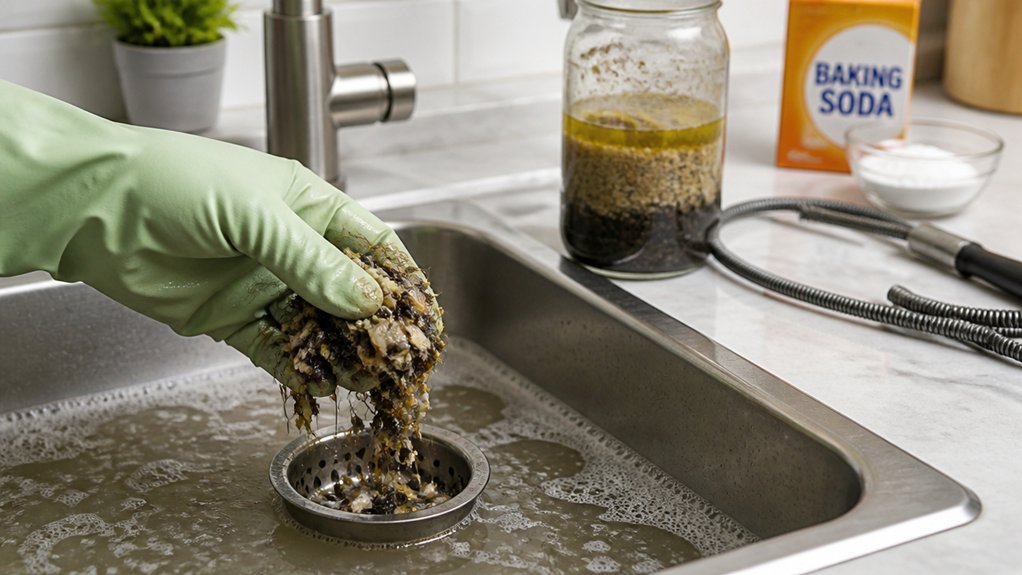
Although a drain can look fine on the surface, it often starts to block when everyday debris builds up inside the pipe and restricts flow.
In kitchens, you wash down grease, coffee grounds, and food scraps that cool and stick to pipe walls.
In bathrooms, hair, soap scum, toothpaste, and limescale bind together, especially in hard-water areas across the UK.
Outside, leaves, silt, and moss enter gullies and the Drainage system, while roots can push into joints and trap more waste.
Poor gradients, misaligned fittings, and crushed sections slow water so solids settle.
You’ll also face pipe corrosion in older metalwork, which roughens the bore and catches debris.
Even “flushable” wipes and excess paper swell, snag, and form stubborn plugs.
Early Signs Your Drain Is Starting to Clog
You’ll often hear the warning first: gurgling or bubbling from the plughole when you run a tap or flush the loo can mean air’s being forced past a growing blockage.
If water’s taking longer to clear from the sink, bath, or shower tray, you’ve likely got a partial clog building up in the pipework.
Don’t ignore persistent drain smells either, as trapped food, soap scum, or waste can start to rot and signal it’s time to act.
Gurgling And Bubbling Sounds
When air gets trapped behind a slow-moving plug of grease, soap scum, or food waste, it forces its way back through the water in the pipe, and you’ll hear gurgling or bubbling from the plughole.
Treat these gurgling sounds as an early warning, especially after using the kitchen sink, shower, bath, or washing machine standpipe.
Listen for bubbling noises when you run a tap, flush the loo, or empty a basin: the noise often comes from the nearest trap, not the real restriction.
Check outside too—an intermittently “glugging” gully can hint at a developing blockage in your branch line.
Stop tipping fats down the sink, strain food scraps, and rinse with hot water.
If the noise persists, book a local drain engineer.
Water Draining More Slowly
Slow drainage often shows up right after those gurgling hints: the water still goes away, but it lingers in the sink, shower tray, or bath and leaves a shallow pool around the plughole.
If your taps run with normal water pressure yet the bowl empties slowly, the issue isn’t supply—it’s reduced drain capacity from soap scum, hair, grease, or limescale.
Check whether it worsens when you run another tap, flush the loo, or use the washing machine; shared pipework can reveal a developing restriction.
Remove and clean the plughole grate and trap, and use a drain snake to lift out debris.
In hard-water areas, descale with a suitable product.
If several fixtures slow at once, book a local drainage survey.
Persistent Odors From Drains
A persistent whiff from a sink, shower, or utility drain often signals the early stages of a clog, as trapped food, hair, soap scum, and grease start to rot in the pipework. If you notice smells after running taps, you’re likely disturbing a biofilm build-up that’s narrowing the waste line.
Act fast: remove the plughole cover and clear visible debris, then flush with a kettle of hot (not boiling) water for PVC. Check the U-bend for sludge and refill traps by running water in rarely used basins.
Keep Chemical treatments as a last resort and follow UK label guidance. Regular Drain maintenance—weekly strainers, monthly trap checks, and prompt wipe-up of cooking fats—keeps odours and blockages at bay.
Prevent Blocked Kitchen Sink Drains (Grease + Scraps)
Although a kitchen sink looks like it can swallow anything, grease and food scraps quickly build a sticky lining inside your waste pipe and trap everything else behind it.
Stop Kitchen grease at the source: let pans cool, wipe them with kitchen roll, and bin it before washing up. Pouring oil down the plughole is a fast route to a blockage, especially in colder UK pipes where fats set.
Use a sink strainer every day and empty it into the food caddy, not the disposal.
Run hot water for 20 seconds after washing to shift residues, then finish with a kettle’s worth of hot (not boiling) water weekly.
Once a month, flush with washing-up liquid and hot water to keep the trap slick and clear.
Stop Hair Clogs in Shower and Tub Drains
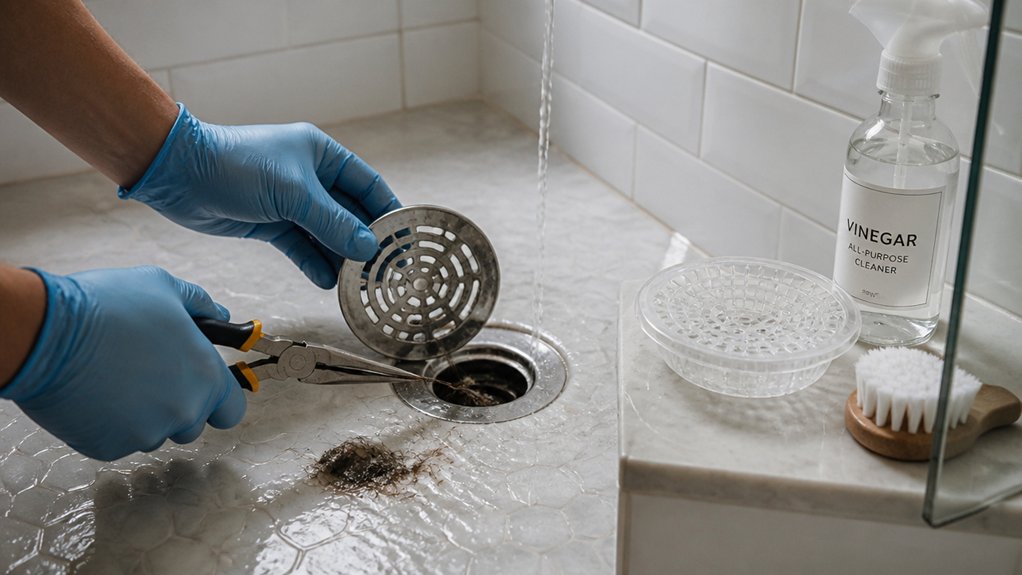
Fit a hair catcher screen over your shower or bath plughole so loose strands don’t slip into the waste and bind with soap scum.
Empty it after each wash and rinse it under the tap to keep water flowing freely.
Finish by flushing the drain with a short burst of hot water to clear any lingering residue before it builds up.
Install Hair Catcher Screens
If you want to stop shower and bath drains from slowing to a trickle, install a hair catcher screen over the plughole and empty it after each use.
Choose a stainless-steel or silicone screen that fits UK bath and shower wastes (often 40mm), and check it sits flat so water doesn’t bypass.
This simple step makes hair removal quick and keeps drain maintenance predictable, especially in shared households.
- Measure your waste opening before you buy
- Pick a low-profile design for fast flow
- Choose rust-resistant materials for hard-water areas
- Keep a spare screen for guest bathrooms
- Empty into the bin, not the toilet
Replace warped or clogged screens promptly; they’re cheap compared with a call-out.
Clean Drains After Showers
Once you’ve finished showering, take 30 seconds to clear the drain while the hair’s still sitting on the surface and before it sinks into the waste. Use toilet tissue or a small piece of kitchen roll to lift strands from the grate and bin them, not the loo.
If you’ve got a pop-up waste, pull it up and wipe around the seal where hair and soap scum collect.
For weekly drain maintenance, remove the cover and run a plastic drain snake (or a straightened zip tie with notches) a few inches down, then twist and pull. Rinse with hot tap water.
During shower cleaning, scrub the tray and around the drain with washing-up liquid to break down oils that glue hair together. Avoid caustic chemicals; they can damage seals and pipes.
Keep Bathroom Sink and Floor Drains Odor-Free
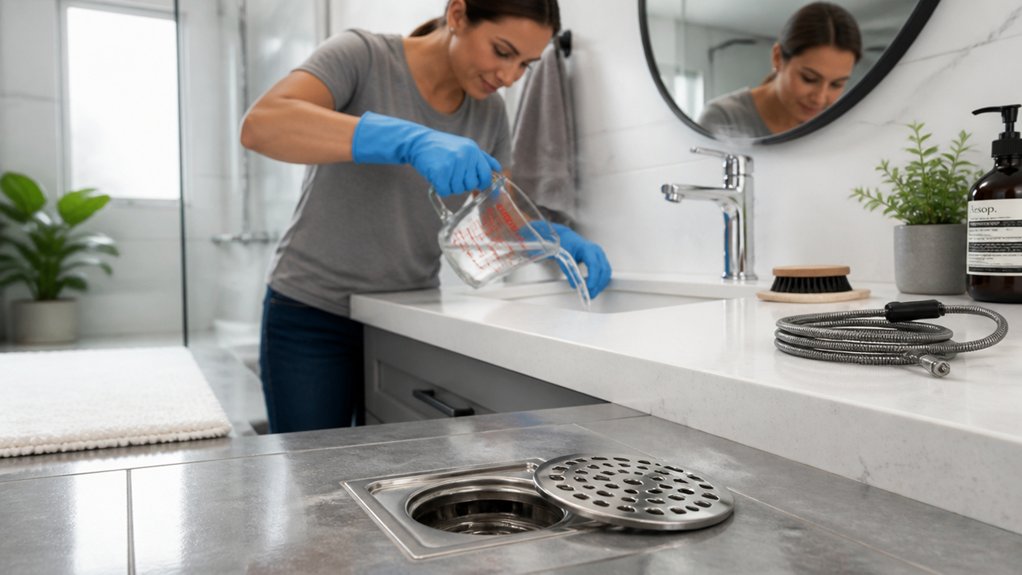
Although bathroom drains don’t see the same food waste as a kitchen sink, they can still start to smell when soap scum, hair and toothpaste residue build up and bacteria thrive in the warm, damp pipework. Keep on top of Bathroom maintenance and you’ll stay ahead of Odor elimination without harsh chemicals.
- Flush sink and floor drains weekly with a kettle of hot (not boiling) water, then run the cold tap.
- Lift the waste cover and pull out trapped hair; use a small drain brush for the rim.
- Pour a tablespoon of bicarbonate of soda in, add a splash of white vinegar, wait 10 minutes, then rinse.
- Run water in little-used floor drains to keep the trap sealed.
- Check the overflow slot and wipe it with a soapy cloth.
Prevent Blocked Outdoor Drains (Leaves, Mud, Roots)
Where do most outdoor drain blockages start? Right at the gully or channel where outdoor debris collects. Sweep leaves, grit, and litter away weekly, especially after windy days. Fit or replace a leaf guard on gullies and keep it seated properly.
After heavy rain, check for standing water and clear silt before it compacts. Keep soil and mulch back from grates, and don’t hose mud into the drain when cleaning patios.
Trim overhanging shrubs and clear gutters so overflow doesn’t dump moss into gullies. Watch for slow ponding near manholes or recurring damp patches, which can signal root intrusion.
Plant trees well away from drain runs and avoid thirsty species near pipework. Schedule periodic CCTV checks if problems repeat.
DIY Fixes: Plungers, Trap Clean-Outs, Drain Snakes
Even with good habits around outdoor gullies and channels, you’ll still get the odd slow sink or backed-up waste pipe indoors, and you can often shift it yourself before it turns into a full blockage.
Start with a rubber plunger: seal the overflow with a damp cloth, add enough water to cover the cup, then pump firmly for 20–30 seconds.
Next, isolate and clear the trap: place a bowl, undo the slip nuts by hand, rinse the U-bend, and refit with the washers seated.
For tougher clogs, feed a hand drain snake down the waste, rotate clockwise, and withdraw slowly to avoid splatter.
Keep your Drain cleaning safe and tidy with these Plumbing tools:
- Bucket and gloves
- Plunger
- Adjustable pliers
- Spare trap washers
- Hand drain snake
When Blocked Drains Need a Professional Plumber
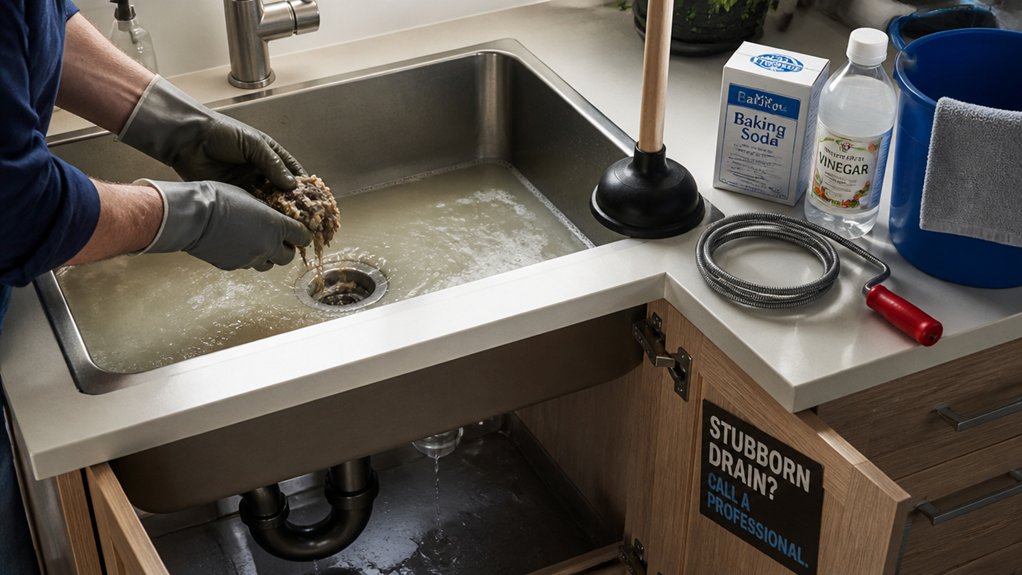
If your DIY steps don’t restore proper flow or the blockage keeps coming back, it’s time to call a professional plumber before you risk a burst pipe or a leak under the floor.
Recurring gurgling, foul smells, multiple slow fixtures, or water backing up from a downstairs drain can point to a deeper obstruction in the main line.
You should also ring for Emergency plumbing if a WC overflows, sewage appears in a bath or shower, or you can’t isolate the problem at the stopcock.
A pro will run a CCTV Drain inspection to locate fat build-up, scale, collapsed pipework, or tree roots, then clear it safely with jetting.
You’ll get advice on prevention and whether any pipe repair is needed.
Conclusion
Stay ahead of slow drains by watching for early gurgles, smells, and pooling water, then acting fast. You’ll prevent most blockages by binning fats, using sink and shower strainers, and clearing outdoor gullies after heavy rain. Try a plunger or a quick trap clean-out before reaching for a snake. For example, after autumn leaves clogged a Bristol gully, a 10‑minute clear-out restored flow—saving a costly emergency call-out.
About the Author