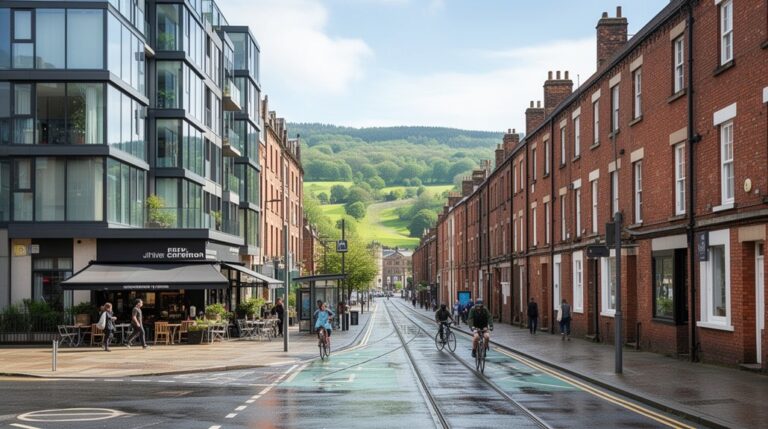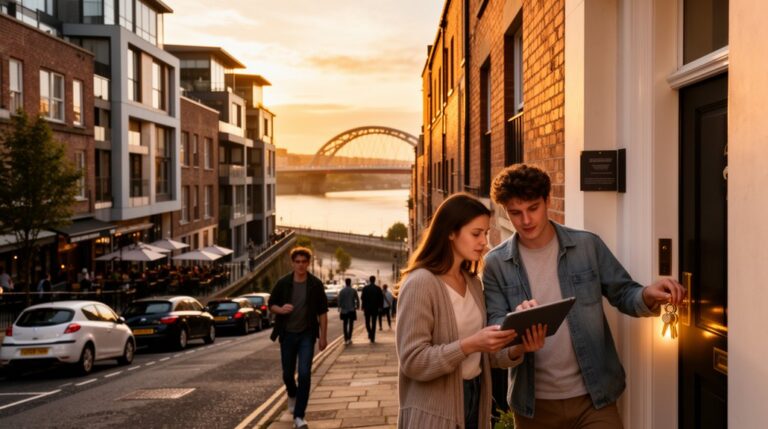
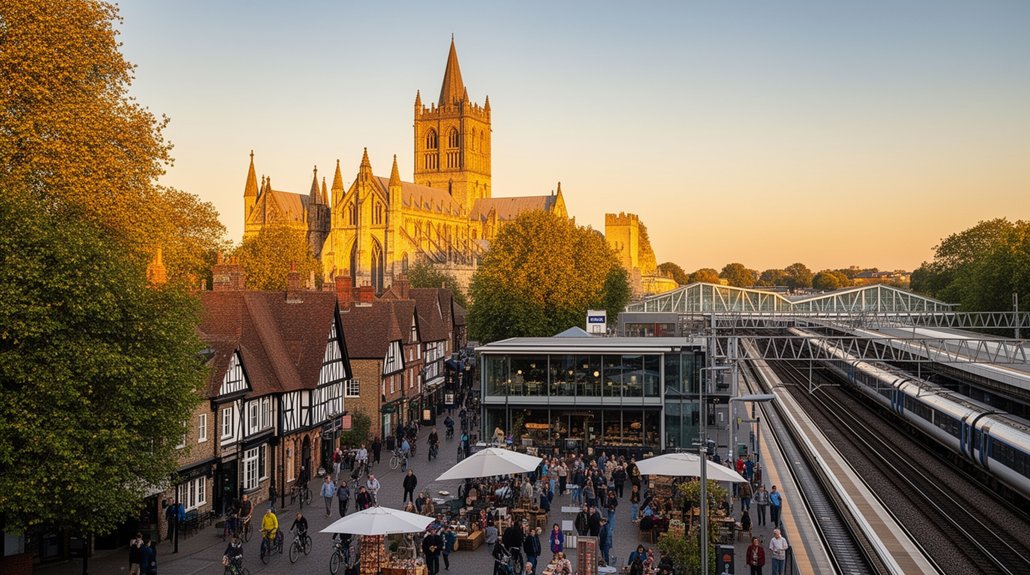
You’re about 20 minutes from London St Pancras by fast train from St Albans City, yet you can still walk from the Cathedral to Verulamium Park in under 30 minutes. That mix matters if you want daily convenience without giving up character. You get a compact centre, strong café-and-shop demand, and heritage that’s part of routine life, not a staged attraction. The real question is how you set up your commute and postcode to maximise both.
Key Takeaways
- St Albans blends Roman Verulamium ruins and a thriving cathedral city centre where heritage shapes daily life, not just tourism.
- A compact medieval core makes heritage sites, shops, cafés, and markets walkable, boosting footfall and easy wayfinding.
- Fast, frequent trains reach London St Pancras in about 20–25 minutes, with Thameslink routes into the City for commuting flexibility.
- Neighbourhoods near St Albans City station offer 10–20 minute walks, reducing commute variability while keeping amenities close.
- The flat, connected centre supports car-light living via walkable errands, cycling routes, and local buses with contactless and live tracking.
St Albans at a Glance: Heritage and Lifestyle
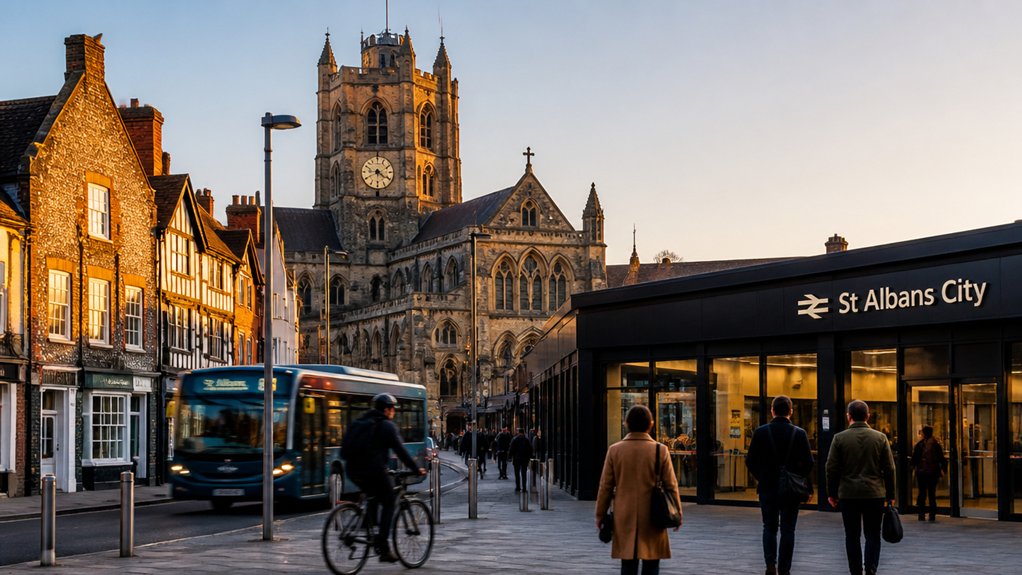
While St Albans trades on Roman roots and a cathedral city profile, it also performs like a modern commuter hub: you get a walkable centre with independent retail, strong school catchments, and green space, backed by fast rail links into London and the M1 corridor.
You can price it as a premium Hertfordshire market: demand stays resilient because buyers want schools, safety, and a sociable high street.
You’ll join neighbours at Local festivals in the parks and around the market, which keeps footfall high and weekends busy without needing a car.
Your culinary scene runs from brunch spots to destination dining, so you can host friends locally, not in Zone 1.
If you’re tracking value, you’ll see limited stock, consistent rental demand, and strong owner-occupier competition.
Why St Albans Feels Historic, Not Touristy
St Albans’ premium pricing and weekend footfall don’t come from packaged attractions; they come from a city centre that still works as a lived-in place. You feel it in the weekday trading mix: independents hold ground alongside national names, signalling stable spend, not seasonal spikes.
You won’t get funnelled through souvenir routes; you’ll slot into routines. Markets, school-run timing, and after-work dining keep pavements busy beyond peak visitor hours.
Local art shows up in shop windows and pop-ups, not just galleries, so culture feels shared, not staged. You also get green spaces that function like local infrastructure—lunchtime loops, kids’ play, weekend runs—supporting repeat use.
That everyday cadence is why the place reads as historic: it’s preserved by being used.
St Albans Cathedral and the Medieval Centre
You can anchor your visit at St Albans Cathedral, where Norman-scale architecture still dominates the skyline and sets a clear focal point for the city centre.
Step outside and you’re in medieval street marketplaces that continue to concentrate footfall around the High Street, making it easy to map a walkable day.
Then track the city’s deeper ROI on heritage at Roman Verulamium, where the ruins and museum extend your itinerary into a connected, multi-era circuit.
Norman Cathedral Grandeur
If heritage drives your shortlist, St Albans Cathedral delivers a high-impact Norman landmark within minutes of the city’s medieval centre. You get one of England’s longest naves, anchored by Roman brick and 11th-century stonework, so you can benchmark authentic Medieval architecture, not replicas.
That proximity helps you build a routine: morning walk, lunchtime visit, evening concerts—without car dependency.
You also buy into Heritage preservation at scale. The cathedral’s conservation programme and visitor model keep fabric, archives, and community access funded year-round, reducing the “closed-door” risk you see in smaller sites.
For you, it means reliable opening patterns, guided interpretation, and a shared civic anchor that helps newcomers feel like locals fast. You’ll feel rooted, not just visiting.
Medieval Street Marketplaces
Cathedral-scale heritage doesn’t sit in isolation here—it feeds straight into the medieval centre’s street-market geography. You step out from the Cathedral precinct and you’re immediately on patterns shaped by historic trading routes, where footfall still concentrates naturally. That’s why the city centre trades well: compact blocks, short links, and a walkable catchment that keeps dwell time high.
In the medieval centre, you can map today’s retail rhythms onto medieval street markets: consistent weekend peaks, reliable weekday lunch trade, and strong seasonal uplift around events.
You don’t just visit—you join a street culture built for exchange. If you’re choosing where to spend, meet, or set up shop, you’ll value the visibility, repeat custom, and easy wayfinding that keeps you connected.
Roman Verulamium Legacy
Although the medieval centre reads as a self-contained retail core, its commercial logic starts with Roman Verulamium: the Cathedral sits on the city’s earliest demand generator, and the routes between it and the high street still track proven desire lines.
You feel it in footfall patterns—weekends spike around the Cathedral, then spill into Market Place and side streets, supporting cafés, independents, and evening trade.
Verulamium Park and the museum add measurable dwell time, turning a visit into a half-day circuit.
When you point guests to Roman mosaics and Ancient temples, you’re not just selling history; you’re extending the catchment narrative that makes St Albans legible and welcoming.
Live near these links and you’ll buy into a centre that keeps converting heritage into repeat visits and stable demand.
Roman St Albans: Verulamium and the Park
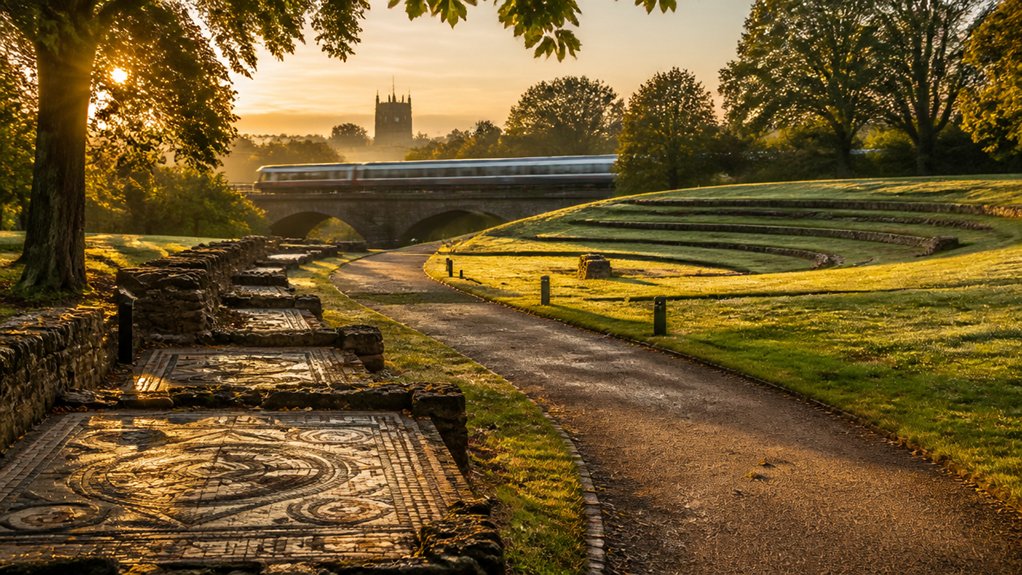
You’re standing on one of Roman Britain’s key urban footprints at Verulamium, where the museum, mosaics, and surviving earthworks turn heritage into a measurable visitor draw.
You can map the legacy fast—follow the hypocaust and forum narratives, then check the theatre remains to see how the city scaled.
You’ll get practical value in Verulamium Park too, where walkable routes, open sightlines, and event-ready greenspace connect the Roman story to today’s leisure economy.
Verulamium’s Roman Legacy
Set just west of the modern city centre, Verulamium Park places you on the footprint of one of Roman Britain’s most important towns, where today’s paths track streets that once served a thriving municipal hub. You’re not just near history; you’re aligned with a proven settlement pattern built for trade, governance, and daily life.
You can still read the city’s story through Ancient ruins that signal wealth and civic confidence: forums, mosaics, and public buildings shaped local identity for centuries. Roman engineering underpinned it all, from road grids that improved movement to sophisticated water and heating systems that set a high bar for urban comfort.
That legacy helps you feel part of a place with continuity—where community isn’t a slogan, it’s a timeline you can join.
Exploring Verulamium Park
Why does Verulamium Park work so well as a day-to-day amenity as well as a heritage draw? You get a high-utility green space wrapped around real Roman archaeology, so every walk feels purposeful.
The paths link housing, schools, and the city centre in minutes, turning leisure into an efficient routine. You’ll find lakeside routes, play areas, and open lawns that handle weekday workouts and weekend picnics without feeling crowded.
You also buy into a calendar that builds community: summer events, medieval festivals, and pop-up markets where local artisans trade. That consistent footfall supports nearby cafés and museums, keeping the area commercially alive.
When you bring friends here, you’re not just visiting history—you’re joining St Albans’ shared backyard.
St Albans to London: Trains, Time, Costs
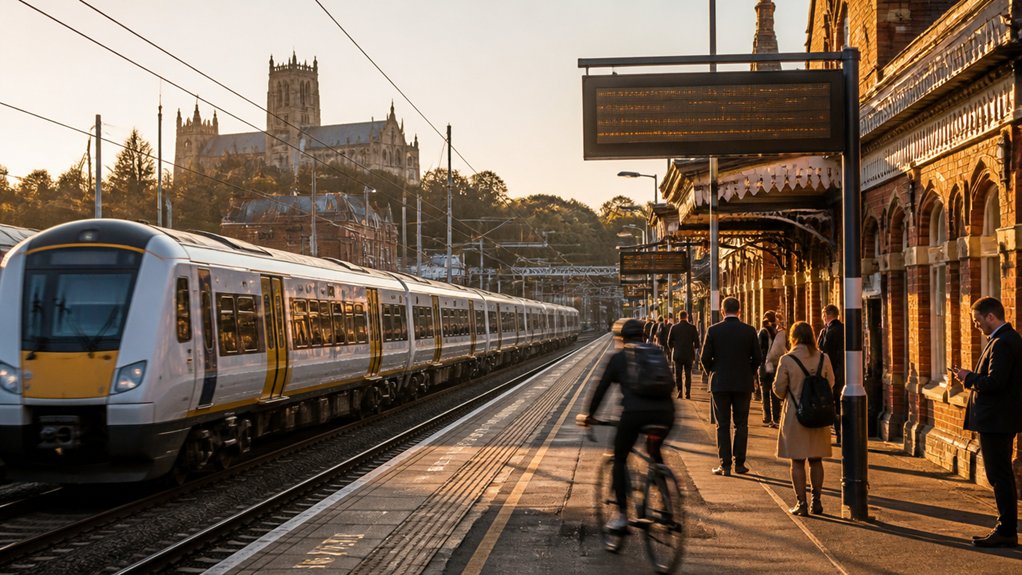
Although St Albans feels a world away from central London, its rail links make it a commuter-credible base. You’ve typically got fast services into London St Pancras in roughly 20–25 minutes, plus alternative routes to London Blackfriars/Farringdon/City Thameslink on Thameslink.
That Rail connectivity gives you options when timetables shift, and it broadens where you can work without changing your lifestyle.
For budgeting, keep an eye on commuting costs: peak season tickets can run into the high four figures annually, while off-peak and flexible products can cut spend if you’re not in five days a week.
Add contactless/Oyster onward travel, and you can model a realistic monthly figure. With frequent trains and late services, you’ll still feel part of both communities.
Best St Albans Areas for Fast Commutes
If you’re optimising for door-to-door time into London, you’ll get the fastest, most reliable commute by prioritising neighbourhoods with a short, predictable run to St Albans City station. Target the City Centre/Old Town fringe, St Stephen’s, and Sopwell: you’ll typically stay within a 10–20 minute walk, which reduces variability and protects your morning schedule.
For value with speed, look at Fleetville and Camp—east-side streets can keep station access efficient while offering strong rental demand and family resale appeal. You’ll still feel rooted locally: Local dining options cluster on St Peter’s Street and around the station approach, while Verulamium Park and the River Ver provide outdoor recreational activities that make weekdays and weekends feel connected.
Getting Around St Albans Car-Free
Because St Albans runs compact and flat across its core, you can realistically live car-free and still cover most daily needs within a 15–25 minute walk or a short cycle. This lowers monthly transport costs and widens your viable search area beyond the immediate station fringe.
You’ll lean on a tight street grid, safe crossings, and improving cycling infrastructure to link neighbourhoods without detours. For longer hops, public transportation is reliable: frequent Thameslink and East Midlands Railway services connect you to London in roughly 20–35 minutes, while local buses stitch together suburbs and employment zones with contactless payment and live tracking.
If you budget, you’ll often find a bike plus occasional rail beats car ownership once you factor parking, fuel, and servicing. You’ll feel part of the flow, not stuck in it.
Cafés, Shops, and Who St Albans Suits
While the city centre stays walkable, St Albans also delivers the everyday retail mix that makes a premium commuter town feel livable: an independent café scene clustered around St Peter’s Street and the Market Place, a strong convenience backbone (Waitrose, Marks & Spencer Foodhall, and multiple smaller grocers), and weekly markets that keep fresh produce and street food competitive on price.
You’ll find artisan cafes that work for quick coffees, remote-work mornings, and after-school catch-ups, plus boutique shops that make weekend errands feel local, not generic.
If you commute to London, you’ll value the time saved and the ability to shop on foot. If you’re raising kids, you’ll like predictable routines: school-run snacks, groceries, and parks nearby. If you’re downsizing, you’ll feel plugged-in without needing a car daily.
Conclusion
You get a city that lives its history without sacrificing speed. One standout stat: St Albans–London St Pancras takes as little as ~18 minutes by fast train, letting you sell the commute without giving up a walkable centre, green parkland, and a thriving café and retail scene. You can start your day by the Cathedral, finish in Zone 1, and still be home for dinner—no car required, and no “tourist town” trade-offs.
About the Author