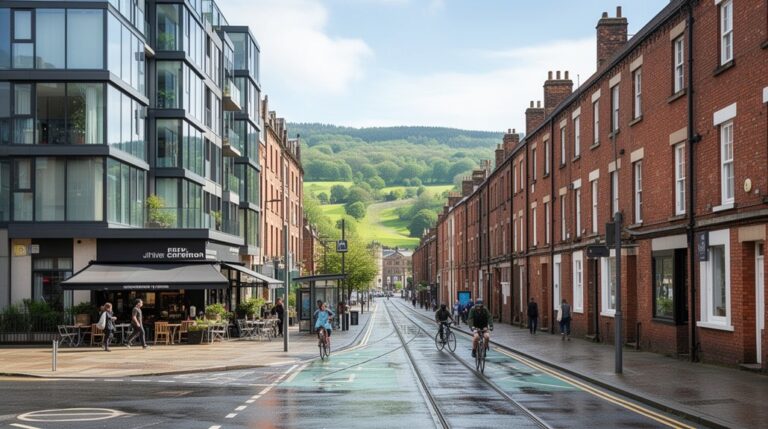
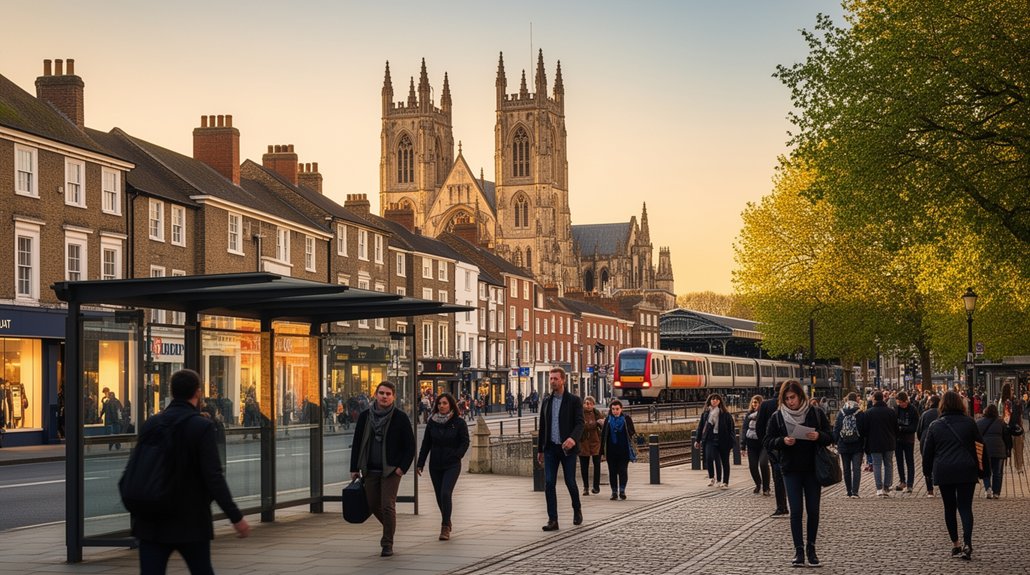
You get Roman ruins and a 20‑minute rail hop to London—how often do those coexist? In St Albans, the cathedral anchors the skyline while Verulamium and the market-town core keep heritage visible and walkable. Yet the numbers matter: frequent trains, quick access to the M1/M25, and compact streets that make car-free days realistic. The question is where this balance pays off most—daily commute, lifestyle, or long-term value…
Key Takeaways
- St Albans’ compact, walkable center links the cathedral, markets, cafés, and parks, keeping heritage integrated into everyday routines.
- Roman Verulamium and its museum sit on a green corridor, making archaeological sites accessible while preserving visible remains and history.
- Weekly markets and local festivals sustain medieval trading traditions and strengthen community identity in the historic core.
- St Albans City station offers ~20-minute Thameslink trains to London St Pancras, supporting easy commuting and flexible hybrid work.
- Quick road access to M1, M25, and A1(M) connects residents to airports and regional hubs, while buses and cycle routes enable car-free travel.
St Albans at a Glance: Vibe, Layout, Highlights
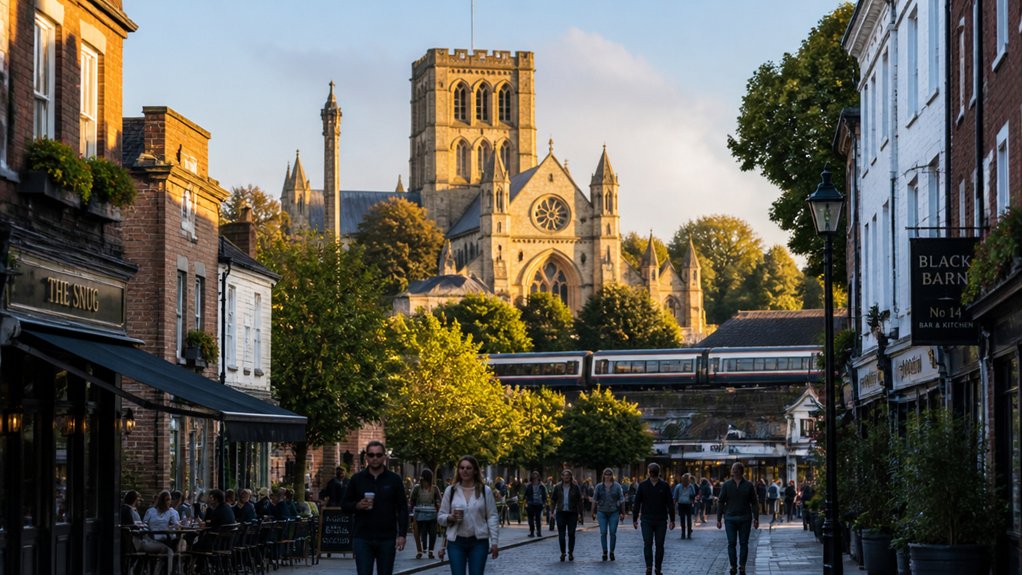
Although St Albans sits just 20 miles north of central London, it doesn’t feel like a commuter afterthought: you get a compact cathedral city with a strong high-street economy, walkable neighbourhoods, and a clear “heritage-meets-convenience” identity. You’ll navigate it easily: the centre clusters around market streets, cafés, and parks, while residential pockets fan out in 10–20 minute walks.
For day-to-day fit, you’re buying into choice and consistency—independent retailers beside national brands, plus reliable rail links for London days. You’ll see Architectural styles shift fast, from Georgian terraces to Victorian villas and modern infill, which helps you match budget to character.
When you want community, you’ll find it in Local festivals, street markets, and weekend routines that make newcomers feel known.
St Albans Cathedral and the Skyline
Because the city centre stays low-rise, St Albans Cathedral dominates the skyline and works as a practical “north star” when you’re steering—most central walks orient around its tower. You’ll notice how that clear sightline reduces decision fatigue: you can meet friends “by the Abbey” and everyone knows the anchor point.
The building’s Architectural elegance—long nave lines, layered stonework, and a confident tower—adds a premium feel that supports the city’s weekend footfall and café trade. Its Cultural significance also shows up in daily routines: school groups, community choirs, and lunchtime visitors keep the area active beyond commuter peaks.
If you’re viewing homes nearby, you’ll get immediate bearings, stronger place-identity, and a neighbourhood you can instantly explain to newcomers.
Roman St Albans: Verulamium and the Museum
When you step beyond the medieval core, Verulamium gives you a Roman layer that’s both visible and usable: you can walk the park’s grid of paths, spot mosaic remains and the old city walls, and still be back in the centre quickly.
You’re not just viewing Ancient ruins; you’re exploring a live green corridor that locals use daily, so it’s easy to feel part of the rhythm.
At the Verulamium Museum, you’ll get the numbers and context—coins, ceramics, and mapped street plans that translate archaeology into a clear story of trade and growth.
Clear signage and controlled access show ongoing Preservation efforts, protecting fragile finds while keeping the site welcoming, legible, and repeat-visit friendly.
Where to Eat, Drink, and Shop in St Albans
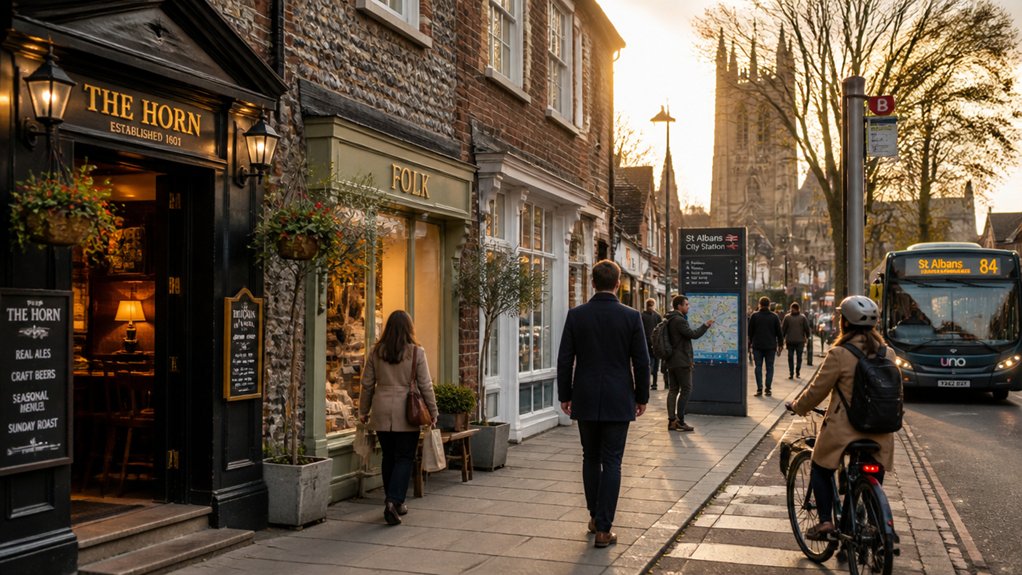
Verulamium’s paths bring you back to the modern centre fast, and St Albans rewards that return with a compact, high-performing food-and-retail scene clustered around the Cathedral Quarter, George Street, and the market area.
You can optimise your time: cafés, gastropubs, and small plates sit within a 10–15 minute walk, so you’ll try more without planning fatigue.
For local culinary hotspots, book ahead at peak weekend slots and target early-evening covers for better availability. You’ll find strong coffee culture, modern British menus, and standout pastries that locals treat as weekly rituals—easy entry points to feel like you belong.
For drinks, choose cosy pubs for session ales or cocktail bars with consistent midweek service. Then switch to boutique shopping districts for independents, curated homewares, and gifting—practical, personal, and distinctly St Albans.
St Albans Markets and the Market-Town Feel
You feel St Albans’ historic market traditions in the steady weekly footfall around the city centre stalls, where price tags and provenance sit front and centre.
You can benchmark lunch fast at vibrant street food stands—queue length, portion value, and turnaround time tell you what’s really popular.
You’ll also spot independent artisan traders who win repeat buyers with small-batch quality and clear differentiation, turning the market into a practical testbed for local retail.
Historic Market Traditions
Although St Albans has evolved into a well-connected commuter hub, its markets still anchor the city’s weekly rhythm and give the centre a true market-town feel. You’ll notice how the layout echoes a medieval marketplace: stalls cluster around key pedestrian routes, maximising footfall and making browsing efficient. That design still supports traditional trading, with repeat vendors building trust and predictable pricing.
For you, the value is practical: you can compare offers quickly, spot seasonal shifts, and buy direct with fewer intermediaries. Regular market days create a reliable cadence, so you plan errands around them and keep your spend local.
When you show up week after week, you’re not just shopping—you’re joining a familiar network that recognises you and remembers what you like.
Vibrant Street Food Stalls
When lunchtime demand spikes around the High Street and St Peter’s Street, the street food line-up turns the market into a fast-moving, high-value dining option. You’ll see queues form quickly, but turnover stays high, so you can eat well without losing your afternoon.
You get choice density in a compact footprint: multiple cuisines, clear pricing, and portions designed for walk-and-browse. Food stalls act like micro-restaurants with lower overheads, so value stays competitive, and you can test something new with minimal risk.
If you work nearby or commute in, you can time it: arrive before the 12:30 peak, grab Street food, and rejoin your day. You’ll feel part of the local rhythm—regulars, quick chats, shared tables, and repeat favourites.
Independent Artisan Traders
Because St Albans runs on a true market-town model, independent artisan traders do more than add character—they create a measurable reason to visit and spend. You see it in basket sizes: shoppers who stop for artisan markets often add impulse gifts, local produce, and small-batch homewares, lifting total spend versus a single-purpose trip.
You’ll also feel the loyalty loop. When you buy from a maker, you don’t just purchase; you join a micro-community that remembers your preferences and invites repeat visits. That’s practical value: better fit, faster feedback, and limited runs you can’t price-compare online.
To shop smarter, scan for clear provenance, live demos, and transparent pricing—signals of real craft craftsmanship. Then follow your favourite traders on socials for drop dates and bundles.
St Albans Rail Links: Fast Trains to London
If you need London access without sacrificing a Hertfordshire base, St Albans delivers a commuter-grade rail advantage through St Albans City station on the Thameslink route.
You’ll typically reach London St Pancras in about 20 minutes on fast services, making weekday commuting realistic and weekend plans effortless.
Peak capacity stays strong with frequent departures, so you’re not forced into one risky connection. Check live train schedules and you can time school runs, meetings, or gym sessions with confidence.
This level of rail connectivity also supports resale: buyers price in predictable access to central London, not just postcode charm.
You’ll feel part of a town that moves together—regulars on the platform, familiar faces, and a shared, reliable routine daily.
Driving From St Albans: Routes to M1/M25/A1
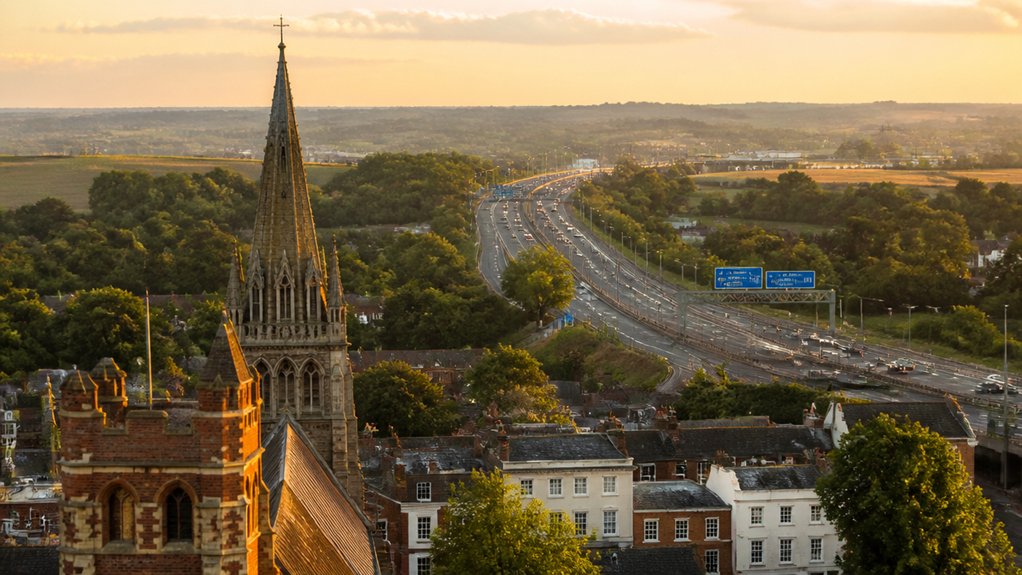
Fast Thameslink trains cover your London days, but St Albans also earns its value on the road network, with quick access to the M1, M25, and A1(M) that keeps regional commutes and airport runs straightforward.
From the city centre, you’ll typically reach the M1 (J6) in about 10–15 minutes, then you’re set for Luton, Milton Keynes, and the North.
The M25 (J21A) sits roughly 15–20 minutes away, giving you a fast loop to Heathrow, Gatwick, and key business parks.
Head east via the A414 to join the A1(M) near Hatfield in around 20 minutes, ideal for Cambridge-bound trips.
You’ll still come home to Historical architecture and Local festivals that make you feel rooted.
Getting Around St Albans Car-Free: Walk, Bus, Cycle
While St Albans connects well by motorway, you can cover most day-to-day needs without a car thanks to a compact city centre, frequent local buses, and improving cycle links.
In 15 minutes on foot you’ll typically reach markets, cafés, and services, and pedestrian friendly zones around the core make short trips feel safe and sociable.
You’ll also find regular bus corridors linking neighbourhoods to the centre, letting you time errands without long waits.
For two wheels, signed routes and traffic-calmed streets make cycling a realistic option for hop-on journeys, especially with racks near shops and stations.
Choosing Eco friendly transportation also helps you fit in: you’ll walk with locals, share buses, and arrive relaxed, not searching for parking spaces.
Living in St Albans: Schools, Parks, Commute
Day-to-day mobility sets the baseline for what it’s like to live in St Albans, and the next question is how well the city supports families, downtime, and working patterns.
You’ll find a strong schools offer: multiple primaries rated “Good” or “Outstanding” nearby, plus respected secondaries that keep demand resilient.
For downtime, you can anchor your week around Verulamium Park, Clarence Park, and playing fields that make after-school routines simple and sociable.
When you commute, you can reach London St Pancras in about 20 minutes by fast train, which makes hybrid schedules realistic and protects weekday time.
You won’t just pass through either: community events, local traditions, and Saturday markets help you settle quickly and feel known.
That’s real livability, not just location.
Conclusion
You get St Albans’ heritage without sacrificing time-to-anywhere: London in ~20 minutes by rail, plus quick access to the M1/M25. You can spend your morning at the cathedral or Verulamium, then still make a same-day meeting or school run. Worried it’s “too historic” to feel practical? It isn’t—its compact, walkable centre, frequent buses, and everyday shopping keep life efficient. You’ll enjoy charm, but you’ll live conveniently.
About the Author